Introduction
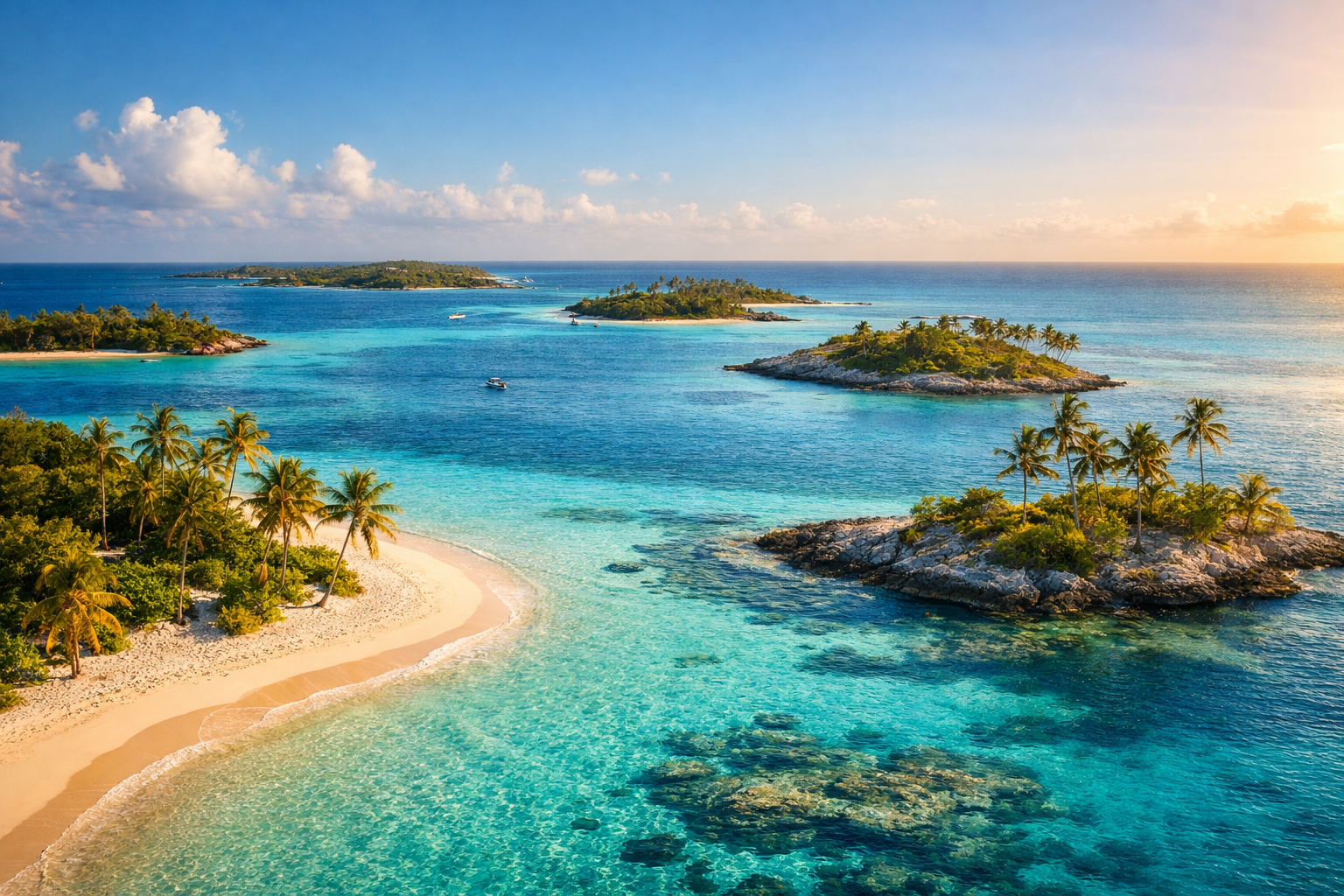
The Bahamas isn’t just one island – it’s an archipelago of more than 700 islands and 2,400 cays stretching across the western Atlantic. Only around thirty of these islands are inhabited, leaving plenty of untouched cays and unspoiled beaches to explore. The name “Bahamas” comes from the Spanish phrase baja mar, meaning “shallow sea,” a nod to the clear turquoise waters and sheltered shoals that surround these islands. Yet shallow doesn’t mean boring – each island has its own personality, from the pirate lore of Nassau to the rose‑tinted shores of Harbour Island and the uninhabited gems of the Exumas.
This guide brings the islands together in one place. You’ll learn about historic Nassau and its neighboring Paradise Island, yachting havens like Hope Town, the celebrity‑loved Pink Sands Beach and the Exuma Land and Sea Park. Along the way we’ll cover practical travel tips – when to go, what to pack, how to get around, currency and etiquette – as well as fascinating Bahamian facts that will enrich your trip. Whether you’re dreaming of diving into Dean’s Blue Hole, dancing through a Junkanoo parade or simply sipping a rum punch on a quiet cay, this guide will help you craft your perfect Bahamian adventure.
Overview of the Bahamas
Geography & Climate
The Bahamas sit just southeast of Florida, straddling the Atlantic Ocean and the Caribbean Sea. Their low‑lying limestone islands are ringed by coral reefs and mangrove forests. Because the islands span a wide latitude, you can chase sunshine year‑round. Winter (December–mid‑April) is high season, with warm days, little rain and pleasant trade winds. Summer (June–November) is hotter and more humid; showers arrive in short bursts and hurricane season peaks from August through October. Off‑season travel often means smaller crowds and better hotel deals—just pack a lightweight raincoat and monitor weather updates.
People, Language & Culture
English is the national language and spoken everywhere, though you’ll hear it flavored with a melodic Bahamian dialect. Many Bahamians also speak Bahamian Creole. The islands gained independence from the United Kingdom on July 10, 1973, but British influences remain in the architecture and etiquette—driving is on the left, and many dishes feature a Caribbean‑British fusion. Junkanoo, a vibrant street parade with music, dance and elaborate costumes celebrated on Boxing Day and New Year’s Day, is a point of pride. Junkanoo’s origins trace back to enslaved Africans who celebrated with music and masks when granted three days off at Christmas; in 2023 it was recognized by UNESCO as an Intangible Cultural Heritage.
Currency & Practicalities
The official currency is the Bahamian dollar (B$), pegged 1:1 to the U.S. dollar; U.S. dollars are widely accepted. Major credit cards work in Nassau and Paradise Island; bring some cash for Out Islands where ATMs can be scarce. Banks typically operate from 9:30 a.m. to 3 p.m. Monday–Thursday and until 4:30 p.m. on Fridays. The islands use North American‑style 120‑volt plugs, so travellers from the U.S. and Canada generally don’t need an adapter.
Tap water is safe to drink in Nassau and Paradise Island, and many Out Islands rely on purified rainwater or desalination plants, so bottled water is readily available. Restaurants and hotels often add a 15 percent service charge to your bill; additional tipping is appreciated but not required. When dining out, casual resort wear is acceptable, but shorts and flip‑flops may be prohibited in casinos or upscale restaurants. Bathing suits are best reserved for the beach or pool—if you’re strolling through Nassau’s downtown or visiting a church, cover up with a shirt or dress.
Top Places to Visit
Nassau & Paradise Island – Culture Meets Resort Living
The capital city of Nassau on New Providence Island is often the first stop for visitors. Don’t let its big‑city energy fool you—Nassau offers a vibrant blend of colonial heritage, modern entertainment and island nature. Begin with Fort Charlotte, a British colonial fort built in the late 18th century by Lord Dunmore to protect the harbor from Spanish invasion. Though the fort never saw battle, visitors can explore its moat, dungeons, underground passage and up to forty‑two cannons. Nearby is Clifton Heritage Park, which preserves artifacts and ruins from the Lucayans (original Taino inhabitants), Loyalists and enslaved Africans. Trails lead past plantation buildings, wetlands and secluded beaches.
For a taste of nature without leaving Nassau, hop a ferry to Blue Lagoon Island. Also known as Salt Cay, this tranquil lagoon lies three miles offshore. It’s a sanctuary for dolphins and sea lions, and visitors can swim with these charismatic mammals. The island’s turquoise lagoon is framed by swaying palms—perfect for a relaxing day trip.
Paradise Island is connected to Nassau by bridge and is best known for Atlantis Bahamas, the sprawling resort complex with water parks, casinos and the world’s largest open‑air marine habitat, home to over 250 marine species. Even if you’re not staying at Atlantis, day passes grant access to its lagoons, beaches and aquariums. Just east of Atlantis, Primeval Forest National Park protects old‑growth coppice forest and limestone caverns, a rare glimpse of what New Providence looked like before development.
Harbour Island – Pink Sands & Colonial Charms
Reachable by ferry from Eleuthera, Harbour Island—nicknamed “Briland”—is famed for its Pink Sands Beach. The pale rose colour comes from crushed coral organisms called foraminifera mingled with white sand. The three‑mile stretch is among the Caribbean’s most photographed beaches and is lined with boutique resorts and sun‑shaded loungers. The island’s main town, Dunmore Town, dates back to the 18th century and features pastel cottages, gingerbread trim and narrow lanes. Harbour Island has become a haven for celebrities and well‑heeled travellers, yet it maintains a laid‑back feel. Spend your days beachcombing, snorkelling or cycling around town; evenings bring fresh seafood and cocktails at stylish restaurants.
The Abacos & Elbow Cay – Sailing & Lighthouse Heritage
North of New Providence lies the Abaco chain. In the heart of the Abacos sits Elbow Cay and its village Hope Town, founded by British Loyalists in 1785. The village is a postcard of bougainvillea‑covered cottages, bright clapboard houses and car‑free lanes. Overlooking the harbour is the candy‑striped Elbow Reef Lighthouse, one of the last kerosene‑powered lighthouses in the world. Climb its 101 steps for panoramic views of the harbour and turquoise sea. The Abacos are a yachting paradise, with protected anchorages and beach bars around every cay. Charter a boat or hop on a ferry to explore nearby islands like Man‑O‑War Cay or Tahiti Beach; the calm sea invites snorkelling and paddleboarding.
The Exumas – Pristine Cays & Swimming Pigs
The Exumas comprise over 300 islands and cays scattered southeast of Nassau. At their heart lies the Exuma Cays Land and Sea Park, a 283‑square‑kilometre protected reserve renowned for pristine reefs, powder‑sand beaches and secluded anchorages. Sailors, snorkelers and scuba divers flock here to explore underwater caves and coral gardens while enjoying near‑empty beaches. One of the Exumas’ most Instagram‑worthy experiences is visiting Big Major Cay, also known as Pig Beach. Here a colony of friendly pigs swims out to greet arriving boats; day trips from Nassau include stops to feed and photograph the pigs. Nearby Staniel Cay offers a base with cottages and a small airstrip, plus excursions to Thunderball Grotto (featured in the James Bond film) and Compass Cay’s nurse sharks.
Andros & Long Island – Mystical Blue Holes & Nature Trails
Andros is the largest island in the Bahamas yet one of the least developed. It’s laced with streams, mangroves and blue holes—sinkholes filled with seawater. While many blue holes remain remote, Long Island’s Dean’s Blue Hole is the most famous. Plunging 663 feet (202 metres), it’s one of the deepest marine sinkholes in the world. Swimmers can snorkel above its vertical drop, and freedivers train here for record‑setting descents. Long Island also boasts dramatic cliffs at Clarence Town and secluded beaches at Cape Santa Maria. For another natural wonder, head to the Andros Barrier Reef, the third‑largest barrier reef in the world; outfitters in Andros Town arrange scuba and snorkeling excursions.
Grand Bahama & Lucayan National Park
Grand Bahama Island, centered around Freeport, offers a mix of resorts, markets and ecotourism. One highlight is Lucayan National Park, where a boardwalk winds through mangroves to Gold Rock Beach and underwater caves. While the park’s website is heavily graphic and difficult to cite, travellers know it for its guided cave tours and pristine beaches. Freeport’s Port Lucaya Marketplace is a lively complex with duty‑free shops, bars and restaurants; here you can sample Bahamian dishes like conch fritters and souse. East of Freeport lies the Garden of the Groves, a botanical garden with waterfalls and hummingbirds. Though Grand Bahama was hit hard by hurricanes in recent years, resorts continue to rebuild and welcome visitors.
Bimini & The Out Islands
Closer to Florida than to Nassau, Bimini is nicknamed the “Big Game Fishing Capital of the World” and draws anglers seeking marlin and sailfish. Ernest Hemingway famously fished here in the 1930s. Today Bimini’s crystal‑clear waters are also popular for diving—sharks, stingrays and shipwrecks abound—and for visiting the mysterious Bimini Road, an underwater rock formation some claim is part of Atlantis. Many of the Out Islands, including Cat Island, San Salvador and the Berry Islands, offer a more off‑the‑beaten‑path Bahamian experience with sleepy villages, wild beaches and minimal development. When planning, note that airstrips and ferry services may be limited; check schedules and book inter‑island flights or charters in advance.
Things to Do & Highlights
Water Activities
- Snorkeling and Scuba Diving: Explore coral reefs, blue holes and shipwrecks. In the Exumas, the Land and Sea Park offers pristine underwater visibility. Near Nassau, dive the famed Blue Hole or the decommissioned Thunderball Grotto at Staniel Cay; on New Providence, dive operators take you to Lost Blue Hole and the wreck of the HMS Adelaide. Remember that some dive sites require open‑water certification and you may need to book excursions ahead. In areas like Big Major Cay, simply bring a snorkel mask to float with the pigs.
- Sailing & Island Hopping: The shallow banks around the Abacos and Exumas make them ideal for yachting. Charter a sailboat or join a day cruise to island hop between cays, anchor in deserted lagoons and enjoy beach picnics. Hope Town is a great base for bareboat charters. From Nassau, ferries run to Rose Island, Harbour Island and Spanish Wells; schedule day trips and pack a picnic for remote beaches.
- Swimming with Dolphins & Sea Lions: At Blue Lagoon near Nassau you can interact with dolphins and sea lions. On Grand Bahama, the Dolphin Experience in the Sanctuary Bay lagoon offers similar encounters. Always choose operators that focus on animal welfare and limit numbers for a humane experience.
- Kayaking & Paddleboarding: Many resorts provide kayaks and paddleboards. Glide through mangroves in the Abaco cays, paddle across the translucent waters of Dean’s Blue Hole or join a guided eco‑kayak tour in Lucayan National Park.
Land Adventures
- Historical Tours: In Nassau, take a walking tour past the 66‑step Queen’s Staircase carved by enslaved people, Government House and the straw market. Tour Fort Charlotte’s dungeons and cannons. On Harbour Island, stroll through Dunmore Town’s colonial streets lined with pastel cottages. At Clifton Heritage Park explore ruins from multiple eras.
- Nature Trails & National Parks: Hike trails in Primeval Forest National Park to see old‑growth forest and limestone caverns. On Grand Bahama, follow boardwalks through Lucayan National Park to Gold Rock Beach and underwater caves. Birders will love the Abaco National Park, home to the endangered Bahama parrot.
- Beaches & Relaxation: Besides Pink Sands Beach and the Exumas’ sandbars, don’t miss Cable Beach in Nassau and Mangel Halto in Aruba (we’ll link another post). Smaller cays like Rose Island and Stocking Island near Great Exuma offer quiet beaches reached by short boat rides.
- Shopping & Local Culture: Visit Nassau’s Bay Street for duty‑free luxury goods and the Straw Market for crafts. At Arawak Cay, sample conch fritters, crack’ conch and beer‑battered fish at a fish fry. Sip locally distilled rum at John Watling’s distillery and purchase a bottle of Sky Juice, a coconut and gin cocktail, at a local bar.
Cultural Experiences & Festivals
- Junkanoo: If visiting at Christmas or New Year, join the revelry of Junkanoo parades. Costumed groups dance through Nassau’s streets to goat‑skin drums, cowbells and horns. Arrive early to secure a viewing spot, and wear comfortable shoes—you’ll dance alongside Bahamians until dawn.
- Bahamas Carnival: Held each April, Bahamas Carnival features road parades, soca concerts and colourful costumes reminiscent of Trinidad’s carnival. Join a “mas band” to march along the parade route, or watch from the sidelines and enjoy food vendors and live music.
- Regattas & Sailing Festivals: Traditional sailing regattas take place on various islands, especially in the Exumas and the Abacos. Bahamian sloops compete in races, while shore parties feature live music and conch salad stands. Schedule your visit to coincide with the National Family Island Regatta in George Town or the Independence Regatta in Long Island.
Travel Tips: How to Prepare for Your Trip
Best Time to Visit
The Bahamas enjoy warm weather year‑round thanks to trade winds. Winter months (December–mid‑April) bring comfortable temperatures around 70–80 °F and minimal rain. This is peak tourist season, so expect higher prices and book accommodations early. Summer (June–August) sees highs in the 80s–90s °F with higher humidity and brief rain showers. Hurricane season runs from June 1 to November 30, with the highest risk from August to October; many travellers still visit during this time for lower rates, but travel insurance is prudent. Shoulder seasons—late April–May and late November—offer a balance of good weather and smaller crowds.
Packing Essentials
- Lightweight Clothing: Pack lightweight, breathable clothing for tropical heat. Bring long pants and a collared shirt for upscale restaurants and casinos; shorts and flip‑flops may be prohibited.
- Swimwear & Cover‑ups: Pack multiple swimsuits, rash guards and a sarong or light dress for covering up off the beach. Swimwear is not appropriate in towns or restaurants.
- Sun Protection: The Bahamian sun is strong; bring reef‑safe sunscreen, sunglasses and a wide‑brim hat. Choose sunscreen without oxybenzone to protect coral reefs.
- Rain Gear: A lightweight rain jacket or poncho for sudden showers, especially during hurricane season.
- Water Shoes or Reef‑Friendly Sandals: Many beaches have rocky areas, especially near blue holes and reefs. Protect your feet with water shoes or sandals with good grip.
- Insect Repellent: Mosquitos can be pesky after rain or near mangroves. Choose a DEET‑free repellent that’s safe for marine environments.
- Travel Documents & Cash: Bring your passport with at least six months’ validity. Carry small denominations of cash for taxis, local markets and Out Islands where card machines might not work.
Getting Around the Islands
The Bahamas’ major gateway is Lynden Pindling International Airport in Nassau. From there, ferries and small planes connect to Out Islands. Flights from Nassau to Eleuthera, Exuma and Grand Bahama take about 30 minutes. On Harbour Island and parts of the Abacos, golf buggies are the preferred mode of transport; in Nassau, taxis are plentiful and have fixed fares (make sure to agree on the fare before the ride). In Nassau and Grand Bahama, water taxis ferry visitors to Paradise Island and outlying cays. For flexibility on the larger islands, consider renting a car, but remember to drive on the left.
Currency, Banking & Tipping
Carry both Bahamian and U.S. dollars for convenience. Most hotels and restaurants in Nassau and Paradise Island accept credit cards; Out Islands may operate on cash only. Banks are open on weekdays with reduced hours, so plan accordingly. ATMs are available in Nassau and resort areas but limited elsewhere.
Service charges of around 15 percent are typically included on restaurant bills. It’s customary to tip bellhops $1–2 per bag, taxi drivers 10–15 percent and tour guides 10–15 percent if service isn’t already included. Note that hotels may also add a per‑night resort or housekeeping fee.
Health & Safety
The Bahamas are generally safe, especially in resort areas. Still, exercise common sense: secure valuables, avoid isolated beaches after dark and heed local advice on areas to avoid. The Bahamian government warns travellers not to wear camouflage clothing (it’s reserved for military), and marijuana is illegal despite its prevalence in the Caribbean. Tap water is safe in Nassau and Paradise Island; on Out Islands stick to bottled or boiled water if uncertain. Carry travel insurance that covers medical evacuation, particularly if visiting remote islands.
Etiquette & Cultural Respect
Greeting people with a friendly “Good Morning” or “Good Afternoon” goes a long way. While Bahamians are relaxed, dressing modestly when visiting churches or government buildings shows respect. Always ask permission before photographing individuals. On beaches, use reef‑safe sunscreen and avoid touching coral or marine life. When visiting uninhabited cays, leave no trace—pack out all trash.
Interesting Facts & Cultural Insights
- Archipelago Scope: The Bahamas consist of more than 700 islands and 2,400 cays, yet only around thirty are inhabited.
- Name Origin: “Bahamas” likely derives from the Spanish baja mar—“shallow sea”, reflecting the islands’ clear, shallow waters.
- Pink Sand Secrets: Harbour Island’s Pink Sands Beach gets its rosy hue from crushed coral organisms called foraminifera.
- Dean’s Blue Hole: On Long Island, Dean’s Blue Hole plunges 663 feet (202 m) and is among the world’s deepest marine sinkholes.
- Marine Marvels: Atlantis Bahamas houses the world’s largest open‑air marine habitat with over 250 species.
- Pirate Past: During the late 1600s and early 1700s, Nassau served as a pirate haven until the British installed a royal governor in 1718.
- Swimming Pigs: The friendly pigs of Big Major Cay in the Exumas swim out to greet visitors.
- Currency Peg: The Bahamian dollar is pegged one‑to‑one with the U.S. dollar.
- Independence: The Bahamas gained independence from the UK on July 10, 1973.
Conclusion
From the historic forts and vibrant markets of Nassau to the secluded beaches of the Exumas and the rose‑tinted sands of Harbour Island, the Bahamas offer a kaleidoscope of experiences. Each island has its own rhythm—some hum with Junkanoo drums while others whisper with the lapping of waves on a deserted cay. Armed with the practical tips in this guide—understanding the best season to visit, what to pack, how to get around and the cultural nuances—you can plan a trip that balances relaxation with adventure. Whether you’re sailing between islands, diving into a blue hole, or savoring conch at a fish fry, the Bahamas promise memories as vivid as their turquoise waters. Pack your sunscreen, embrace the island time, and let the Bahamas show you why these shallow seas have captivated travelers for centuries.