Introduction
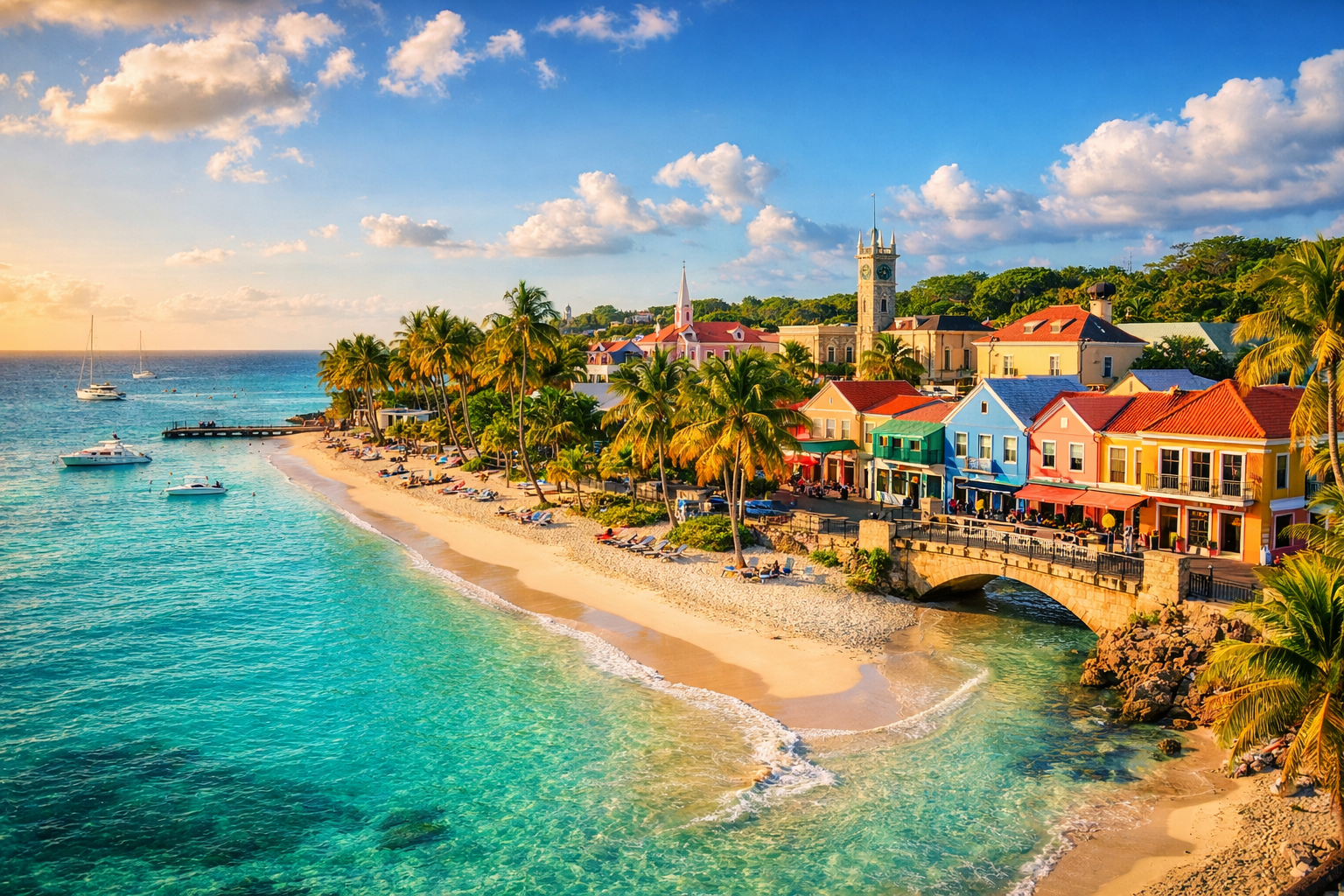
Bordered by turquoise waters and lined with sugar‑soft sand, Barbados is a holidaymaker’s dream. Beyond the beach there’s a culture shaped by British colonial history and African heritage, rum distilleries that pioneered the spirit, and friendly locals who speak a lively Bajan dialect. Whether you’re planning a first visit or returning for another dose of island life, this guide will introduce you to Barbados’ must‑see sights, from natural wonders to historic estates, and share practical advice to help you prepare. You’ll discover when to go for sunshine without crowds, what to pack, how to get around safely, and a few cultural tidbits to make you feel like a local. By the end you’ll be ready to explore Barbados with confidence and curiosity.
Click here to book your trip today
Get your swimwear and apparel for your trip from foreplay boutique today.
Why Visit Barbados?
Barbados sits in the eastern Caribbean, where constant trade winds and a tropical climate create warm weather year‑round. While the island is beautiful anytime, the driest and most popular months are December through early April. During this time you can lounge on powdery beaches beneath clear skies, explore colonial towns and sugarcane fields, visit natural wonders like Harrison’s Cave and the Barbados Wildlife Reserve, and even spot green monkeys. The cultural calendar in January and February includes the Barbados Jazz Festival and the Holetown Festival, while March brings the Oistins Fish Festival and polo matches. Outside of winter, the island celebrates its vibrant Crop Over festival in July and August, a three‑week carnival where locals parade in feathered costumes to calypso rhythms. Whatever month you choose, expect warm hospitality and a laid‑back island pace.
Top Places to Visit in Barbados
Click here to book your trip today
Harrison’s Cave Eco‑Adventure Park
Hidden beneath Barbados’ central uplands is one of the island’s most spectacular natural attractions. Harrison’s Cave is a crystallized limestone cavern filled with stalactites that hang from the ceiling and stalagmites rising from the floor. Streams of crystal‑clear water tumble from waterfalls into deep emerald pools, and in some chambers stalactites and stalagmites have fused into towering pillars. Visitors can explore this underground world on an electric tram tour, where guides share the cave’s geology and history. The tram stops at the lowest point, allowing you to walk alongside a dramatic waterfall. Beyond the cave itself, the eco‑park offers a zip‑line through the treetops, a nature trail, bird aviary, high‑rope obstacle course and even a rum lounge. Harrison’s Cave is open daily with tours starting at 9 a.m. and ending at 4 p.m.. The site also runs combo adventure passes and family packages to help make the day more affordable.
Historic Bridgetown & the Garrison
The island’s capital, Bridgetown, is both a bustling hub and a UNESCO World Heritage site. Exploring historic Bridgetown feels like stepping back in time. Start at the iconic Chamberlain Bridge, a swing bridge built between 1865 and 1872 and named after British colonial secretary Joseph Chamberlain. Stroll along Broad Street to admire colonial‑era buildings, then duck into the Nidhe Israel Synagogue – one of the oldest synagogues in the Western Hemisphere – and St. Michael’s Cathedral. The streets buzz with street vendors and market stalls where you can sample local fruit, pastries and handicrafts. Bridgetown is also home to the Garrison Savannah, a former British military base where horse races are held today. For a quirky morning experience, head to nearby Pebbles Beach to watch racehorses swim in the sea – they arrive early from the Garrison Savannah Racetrack and their trainers let them wade in the calm water around 5:30–7:00 a.m. These gentle thoroughbreds offer a memorable sunrise sighting.
St. Nicholas Abbey & Heritage Railway
In the parish of St. Peter stands one of the Caribbean’s oldest plantation houses. St. Nicholas Abbey is a Jacobean‑style mansion built in the 1600s, with elegant Dutch gables, a Chinese Chippendale staircase and a towering chimney stack. The estate’s history reads like a soap opera: its original owner, Colonel Berringer, was killed in a duel with his neighbor Mr. Yeamans over a love triangle, allowing Yeamans to claim the plantation and Berringer’s widow. Today visitors can tour the mansion’s antique‑filled rooms, wander through its gully shaded by mahogany and silk‑cotton trees, and watch sugarcane being crushed in a steam mill to produce St. Nicholas Abbey rum. A highlight is the heritage railway introduced in 2019; the open‑air train meanders around the lake and through the plantation fields before climbing to Cherry Tree Hill. From this viewpoint you’ll enjoy sweeping vistas of the rugged east coast and glimpses of wild green monkeys.
Animal Flower Cave
Located at North Point in the parish of St. Lucy, the Animal Flower Cave is the island’s only accessible sea cave. This natural wonder opens directly into the Atlantic Ocean. On calm days you can swim in natural rock pools inside the cavern and peer through “windows” cut into the rock that frame panoramic views of the Atlantic. The cave is named after the small sea anemones (“animal flowers”) that live in its pools. Above ground there is a cliff‑top restaurant and bar with arguably the best north‑coast sunset views. Bring sturdy shoes, as the rocks inside can be slippery, and check the weather forecast because big swells make the cave unsafe.
Beaches & Coastal Experiences
Barbados is fringed by beautiful beaches, each with its own personality. On the west coast you’ll find calm turquoise waters of the Caribbean Sea and long stretches of sand lined with hotels. This is the best area for families and swimmers, with child‑friendly beaches like Brownes Beach and Batts Rock (which locals rank among the island’s prettiest sands). Head east and the scenery changes: the Atlantic Ocean shapes rugged cliffs and rock formations. Bathsheba’s Soup Bowl attracts surfers, while the tide pools at Bathsheba give swimmers a safe place to cool off. For a uniquely Barbadian experience, wake early and go to Pebbles Beach; racehorses from the Garrison Savannah Racetrack swim here every morning. Snorkeling fans can explore Carlisle Bay’s shallow shipwrecks or watch sea turtles in their natural habitat. And for the ultimate free activity, simply pick a beach and spend the day sunbathing or collecting seashells along the shoreline.
Farley Hill National Park
Across from the Barbados Wildlife Reserve in the parish of St. Peter lies Farley Hill National Park, a lush green space built on the grounds of a grand 19th‑century mansion. The manor was originally constructed by Sir Graham Briggs and hosted lavish parties before falling into ruin. Today the stone walls are surrounded by mahogany forest, creating a romantic backdrop for picnics and family outings. The park charges a nominal parking fee of around US $2; if you park on the main road you can walk in for free. Children will enjoy running through the expansive lawns and spotting local wildlife. Combine a visit here with monkey feeding at the adjacent Wildlife Reserve for a full day of nature and history.
Festivals, Food & Nightlife
Barbados knows how to celebrate. The island’s biggest party is Crop Over, a three‑week carnival held from mid‑July to early August that ends in a colorful Kadooment Day parade. Visitors can watch costumed bands dance through the streets to calypso and soca rhythms while sampling rum punches and local street food. For more cultural immersion, join an Island Safari tour in a Land Rover to learn about the island from enthusiastic guides. Food is an integral part of any trip; don’t leave without tasting Barbados’ national dish, flying fish and cou‑cou – a hearty blend of cornmeal and okra served with fried flying fish and gravy. Rum lovers should tour Mount Gay, the world’s oldest commercial rum distillery; try a tasting at their visitors’ centre or head to St. Nicholas Abbey for a more boutique experience. At night, sample fresh seafood and listen to live soca at the Oistins Fish Fry on Friday evenings, sip a cold beer with locals at the One Love Bar in Holetown, or watch fire dancers at Harbour Lights on Carlisle Bay. These spots offer a flavour of Barbadian nightlife without the tourist price tag.
Travel Tips for Your Barbados Adventure
Best Time to Visit
Barbados enjoys sunshine year‑round, but weather patterns vary with the seasons. The driest and most popular months are December through early April, when balmy temperatures and low humidity make it ideal for beach days and outdoor activities. January brings the Barbados Jazz Festival and the Holetown Festival, while March hosts polo matches and the Oistins Fish Festival. If you prefer lower rates and fewer crowds, visit during the shoulder seasons in April or late November when the weather is still pleasant but accommodation costs drop. Hurricane season runs from June to November; storms are rare but showers are more frequent.
Currency & Payment
The official currency is the Barbadian dollar (BBD), pegged to the US dollar at a rate of 2 BBD to 1 USD. This fixed exchange rate means prices are stable and easy to calculate. US currency is widely accepted across the island and most hotels, shops and restaurants take major credit cards. However, it’s wise to carry some local cash for small vendors, taxis and beach bars. Barbados issues banknotes in denominations of 2, 5, 10, 20, 50 and 100 dollars and coins worth 5, 10, 25 cents and 1 dollar.
Language & Local Etiquette
English is the official language of Barbados, and British English is taught in schools. In informal settings you’ll hear “Bajan,” a creole dialect blending English and West African influences. Words are often shortened and letters like “th” become “d,” so “this” turns into “dis.” Bajans are friendly and appreciate courtesy – a simple “good morning” or “good afternoon” goes a long way. When greeting someone, a handshake or a warm smile is appropriate. Island life runs at a relaxed pace, so be patient if services are slower than back home.
Getting Around & Driving
Renting a car is the best way to explore Barbados beyond the resorts. Remember to drive on the left‑hand side. Seatbelts are compulsory for all passengers, and children under five must use an appropriate car seat. Although Barbados doesn’t set a legal blood alcohol limit, you can still be charged for driving without due care, so avoid drinking and driving. Mobile phones may only be used with a hands‑free system. Speed limits are 40 km/h in towns, 60 km/h on rural roads and 80 km/h on highways. Carry your driving licence, insurance documents and an international driving permit, and bring a paper map in case GPS signals drop. Honking is often used as a friendly greeting rather than an expression of anger. Try to park in well‑lit areas and never leave valuables visible in your car. Most roads are in good condition but country lanes can be narrow and potholed; drive slowly and watch for pedestrians at night.
Packing Essentials & Safety
Pack light, breathable clothing for the tropical climate, plus plenty of sunblock, sunglasses, a wide‑brimmed hat and bug spray. If you plan to spend time outdoors or hiking, bring comfortable walking shoes. Don’t forget a reusable water bottle – tap water is safe to drink in Barbados. Visitors from the UK, Europe or other regions should bring a travel adaptor; Barbados uses flat‑blade plugs and 110‑volt electricity. Check your appliances for voltage compatibility to avoid frying your devices. A waterproof phone case or dry bag will protect your electronics during boat trips or unexpected showers. Leave expensive jewelry at home and use the hotel safe for valuables. As in any destination, be aware of your surroundings, especially at night. Violent crime against tourists is rare, but petty theft can occur if you leave belongings unattended on the beach.
Get your swimwear and apparel for your trip from foreplay boutique today.
Interesting Facts & Cultural Insights
- Bajan Dialect: While English is the official language, locals often speak Bajan, a dialect mixing English with West African influences.
- Birthplace of Rum: Barbados is widely considered the birthplace of rum. Mount Gay distillery has been producing the spirit since the early 18th century and is the oldest commercial rum distillery in the world.
- National Dish: Flying fish and cou‑cou is Barbados’ national dish – a savoury blend of cornmeal and okra served with seasoned flying fish.
- UNESCO Recognition: Historic Bridgetown and its Garrison form a UNESCO World Heritage site, celebrating the island’s role in British colonial expansion and Atlantic trade.
- Unique Wildlife: Barbados is home to playful green monkeys. The best place to see them is at the Barbados Wildlife Reserve near Farley Hill; feedings usually occur at 11 a.m. and 2 p.m.
- Crop Over Festival: The island’s biggest festival started during the colonial era to mark the end of sugar cane harvest. Today it’s one of the Caribbean’s most colourful carnivals.
- No Natural Lakes: Barbados has no natural lakes or rivers on its surface. Its freshwater system flows through underground limestone caves and coral rock, creating features like Harrison’s Cave.
Conclusion
From subterranean caverns and historic plantations to lively street festivals and pristine beaches, Barbados offers a blend of adventure, culture and relaxation. Wander through Bridgetown’s UNESCO‑listed streets, descend into the sparkling depths of Harrison’s Cave, sip rum where it was born and dance at Crop Over like a local. Respect the island’s customs, pack thoughtfully, and plan your visit during the season that suits you best. Whether you’re travelling solo, as a couple or with family, Barbados will welcome you with warm smiles, vivid colours and unforgettable experiences. It’s time to start planning – paradise awaits.
Click here to book your trip today
Get your swimwear and apparel for your trip from foreplay boutique today.