Introduction
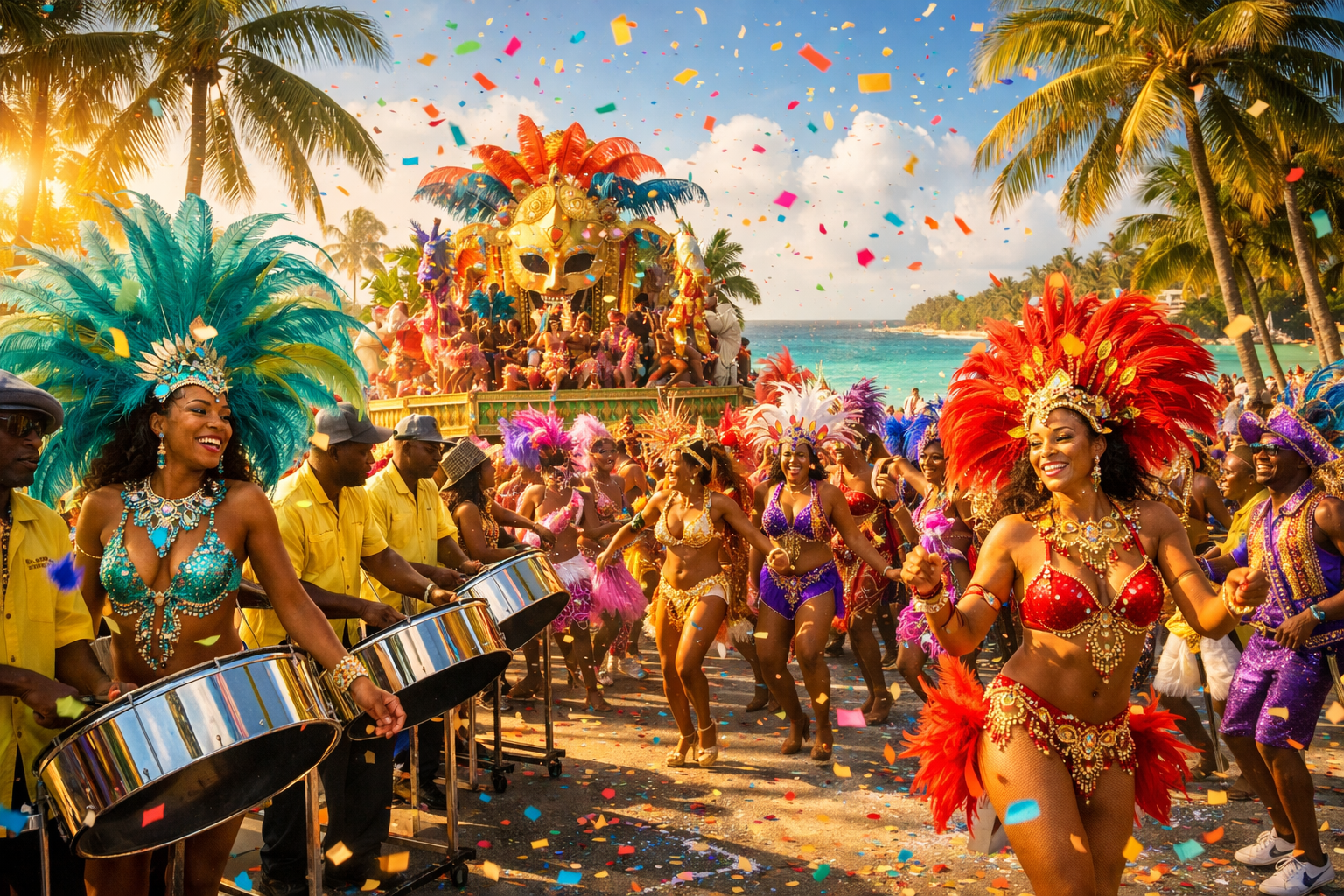
Carnival in the Caribbean isn’t just a party — it’s a cultural phenomenon. Rooted in African, European and Indigenous traditions, these festivals blend history, storytelling and unapologetic fun into weeks‑long celebrations across the islands. Each carnival has its own personality: Trinidad and Tobago’s is the “Mother of Carnival” with pre‑Lenten origins; Barbados’ Crop Over emerged from sugar cane harvests; Dominica’s Mas Domnik weaves folklore and French Creole heritage. If you’re dreaming of feathers, soca beats and sunrise J’ouvert parties, 2026 is packed with opportunities. This guide lays out the major Caribbean carnival dates for 2026, suggests what to wear, and provides practical tips so you can plan an unforgettable trip.
Click here to book your trip today
Get your swimwear and apparel for your trip from foreplay boutique today.
2026 Carnival Calendar by Island
The table below lists the top Caribbean carnivals and their 2026 dates along with quick notes on what makes each special. Always check official festival websites for updates; dates can shift and some carnivals begin with weeks of pre‑events.
| Island/Festival | 2026 Dates (approx.) | Highlights |
|---|---|---|
| Trinidad & Tobago Carnival (Port of Spain) | Feb 16–17 | Considered one of the world’s most spectacular festivals. Its roots blend European masquerade balls and African traditions. Expect weeks of fetes, steelpan competitions and a spectacular Parade of the Bands where costumed masqueraders dance through the streets. |
| Jamaica Carnival (Kingston) | Apr 8–14 | Modern carnival founded in the 1980s; features elaborate costumes, street parades and bands playing soca and dancehall. The road march winds through Kingston, culminating in a high‑energy finale. |
| Crop Over Festival (Barbados) | Jul 3 – Aug 4 | Barbados’ celebration of the end of the sugar cane harvest. Events include Cohobblopot cultural show, Pic‑O‑De‑Crop calypso competition and Grand Kadooment Day on Aug 3. |
| Grenada Spicemas | Aug 1–11 | Grenada’s premier carnival features calypso and soca competitions, J’ouvert and two days of parade (Carnival Monday & Tuesday). Masqueraders in elaborate costumes dance to steelpan rhythms. |
| Antigua Carnival | Jul 25 – Aug 4 | Celebrates emancipation from slavery. Highlights include the Parade of the Bands, early‑morning J’ouvert, Calypso & Soca Monarch competitions and steel band Panorama. |
| St. Lucia Carnival | Jul 1 – 22 | A celebration of Saint Lucian heritage with pageants, calypso contests and a Grand Parade. Revelers in feathered costumes dance to soca and calypso. |
| Aruba Carnival | Jan 2 – Feb 15 | One of the longest carnivals in the Caribbean. Oranjestad hosts parades, queen contests, J’ouvert and Tumba music shows. |
| Bahamas Carnival (Nassau) | Jun 6 | A one‑day carnival blending Junkanoo traditions with soca; includes a road parade, cultural showcases and live music. |
| Bermuda Carnival (Heroes Weekend) | Jun 10 – 15 | A multi‑day festival featuring a colourful parade, J’ouvert, beach parties and events honoring national heroes. |
| Mas Dominik / Dominica Carnival | Jan 10 – Feb 18 | Dominica’s pre‑Lenten celebration known for traditional characters like Moko Jumbies and colourful street parades. |
| Carriacou Carnival (Kayak Mas) | Feb 11 – 17 | Held on the island of Carriacou, this carnival features Jab Jab devils, steelpan music and cultural parades. |
| Carnaval de St. Martin (French Side) | Feb 7 – 18 | In Marigot on the French side of St. Martin, parades with feathered costumes and zouk/soca music fill the streets; food stalls offer French‑Caribbean delicacies. |
| Anguilla Summer Festival | Jul 24 – Aug 9 | Centered around August Monday, this festival includes boat races, calypso competitions and street parades. |
| Cayman Carnivals – Batabano & CayMAS | May 23 | Grand Cayman now hosts a unified carnival day with two parades: Batabano and CayMAS. Expect dazzling costumes, soca and calypso road marches. |
| Nevis Culturama Festival | Jul 23 – Aug 4 | Celebrates emancipation with traditional music, food fairs and pageants. Visitors witness street parades and concerts honoring Nevisian heritage. |
| Vincy Mas (Saint Vincent) | Jun 26 – Jul 7 | Saint Vincent’s Carnival features calypso and soca shows, J’ouvert, beauty pageants and the Parade of the Bands. |
| Sugar Mas – St. Kitts Carnival | Dec 12 , 2025 – Jan 2 , 2026 | Combines Christmas and carnival traditions; includes parades, calypso competitions, Moko Jumbies and pageants. |
Planning Notes
- Pre‑Carnival events: Many carnivals begin weeks before the main parade with fetes, competitions and cultural shows. In Trinidad, pre‑Carnival steelpan and stick‑fighting preliminaries run from late January. Check schedules early and arrive a few days before the finale to soak up the atmosphere.
- Accommodations: Hotels and guesthouses fill quickly, especially for popular carnivals like Trinidad and Crop Over. Book your accommodations 6–12 months in advance and consider staying outside major cities if you’re on a budget.
- Flight & band packages: Some travelers opt for packages that include flights, lodging and a mas band costume (your entry into the Parade of the Bands). These sell out quickly but simplify logistics.
- Local holidays: Carnivals often coincide with public holidays (for example, St. Kitts’ Sugar Mas wraps into Christmas). Banks and shops may close or operate shorter hours, so plan money exchanges and groceries accordingly.
Travel Preparation & Packing Tips
What to Wear
- Costumes & accessories: If you’re “playing mas,” choose a costume from an official band well in advance. Costumes are often ornate with feathers, sequins and beads. Many packages include options for men and women. Bring comfortable mas stockings/tights to protect your legs and invest in a secure waist belt or pouch for your essentials.
- Footwear: Road marches last hours over hot asphalt; opt for cushioned sneakers, flat boots or carnival boots. Avoid flip‑flops or high heels, which can lead to blisters and injury.
- Sun protection: Caribbean sun is intense year‑round; wear a wide‑brimmed hat or bandana, sunglasses and broad‑spectrum sunscreen. For water‑based events or beaches, choose reef‑safe sunscreen (banned substances like oxybenzone are prohibited on several islands).
- Weather‑ready clothing: Lightweight, breathable fabrics like cotton and moisture‑wicking athletic wear help you stay cool. Pack a light rain jacket for sudden showers during the wet season.
- J’ouvert gear: Bring old T‑shirts, shorts and sneakers for paint or mud parties. Expect to get dirty — J’ouvert celebrations involve paint, powder or mud slathered on revelers.
Essential Items
- Hydration pack & reusable bottle: Dancing for hours under the sun requires constant hydration. Most islands have safe bottled or tap water (Aruba even has desalinated drinking water), but it’s always wise to carry your own.
- Cash & waterproof pouch: While credit cards are widely accepted, small vendors at J’ouvert and food stalls may only accept cash. Keep notes in a ziplock or waterproof waist pack.
- Portable charger & earplugs: You’ll film plenty of memories, so carry a power bank. Earplugs help protect your hearing at concerts and fetes.
- Body glitter, makeup & fixatives: Part of carnival fun is sparkling in the sun. Consider waterproof makeup to withstand heat and sweat.
Do’s & Don’ts
Do:
- Respect local culture and traditions. Carnival has deep roots; treat performers, vendors and cultural spaces with respect. Ask permission before taking close‑up photos of performers.
- Pace yourself. Carnival season is a marathon. Alternate between fetes and rest days to avoid burnout. Stay hydrated and eat local meals between drinks.
- Explore beyond the parade. Each island offers beaches, hiking, waterfalls and heritage sites. In Grenada you can tour spice estates or dive at underwater sculptures; in Barbados you can surf at Bathsheba or visit rum distilleries.
- Plan transportation. Arrange airport transfers and designate a driver or use taxis when attending parties. In some islands (e.g., Trinidad or St. Lucia) traffic can be heavy around parade routes; leave early.
- Secure valuables. Use hotel safes and keep only essentials on you during parades. Wear a money belt or cross‑body bag that stays close to your body.
Don’t:
- Don’t litter or damage costumes. Respect the environment and fellow masqueraders. Dispose of trash properly and avoid stepping on costume feathers or headpieces.
- Don’t underestimate the heat. Heat exhaustion can creep up quickly. Drink electrolyte drinks and rest in the shade.
- Don’t wear offensive or culturally inappropriate costumes. Avoid caricatures or disrespectful imagery. Choose themes offered by bands or keep your outfit simple and festive.
- Don’t forget travel insurance. Festivals involve crowds and active events; coverage can help with unexpected cancellations or medical needs.
- Don’t ignore safety advisories. Follow local guidelines about parade routes, J’ouvert safety, and alcohol consumption. Avoid venturing alone into unfamiliar areas after dark.
Island Highlights & Things to Do Beyond Carnival
While carnival is the centerpiece, each island offers distinct experiences:
- Trinidad & Tobago: Before or after Carnival Tuesday, explore Maracas Beach, hike to Paria Waterfall, or visit the Caroni Bird Sanctuary at sunset. Try doubles (spiced chickpea sandwiches) and roti for street food.
- Jamaica: Combine carnival with a road trip across the island — lounge on Seven Mile Beach, climb Dunn’s River Falls or visit the Bob Marley Museum. Brush up on patois phrases like “Wah gwaan” (what’s going on?) to connect with locals.
- Barbados: In between Crop Over events, sip rum at Mount Gay Distillery, visit Harrison’s Cave and join a Friday night fish fry at Oistins. The island’s West Coast beaches offer calm waters; the rugged East Coast draws surfers.
- Grenada: Known as the “Spice Isle,” Grenada invites you to tour nutmeg and cocoa estates, snorkel Molinière Underwater Sculpture Park and hike to Seven Sisters Falls when you’re not playing mas.
- Antigua & Barbuda: Pair carnival with sailing around Antigua’s 365 beaches or tour Nelson’s Dockyard, a UNESCO World Heritage Site. In Barbuda, see the Frigate Bird Sanctuary.
- St. Lucia: Hike the Tet Paul Nature Trail for views of the Pitons, bathe in sulphur springs in Soufrière or explore Marigot Bay. St. Lucia also offers chocolate tours and rainforest ziplines.
- Aruba: After enjoying parades, relax on Eagle Beach with its iconic fofoti trees, snorkel at Mangel Halto or off‑road through Arikok National Park. Visit Oranjestad’s museums and sample local dishes like pisca hasa and stoba.
- Dominica: Known as the “Nature Island,” Dominica offers boiling lakes, waterfalls and world‑class diving. Combine carnival with whale watching or exploring the Waitukubuli National Trail.
- St. Martin & Anguilla: Explore French cafés and duty‑free shops in Marigot or Phillipsburg; island hop to Anguilla’s Shoal Bay or Little Bay for turquoise waters and beach bars.
- Saint Vincent & Grenadines: Tour Kingstown’s botanical gardens, climb La Soufrière volcano or take a ferry to Bequia for beach days when you’re not dancing at Vincy Mas.
Interesting Facts & Cultural Insights
- Origins of Caribbean carnival: Many carnivals trace their roots to pre‑Lenten European masquerade balls and African emancipation celebrations. Trinidad’s carnival began in the 18th century and evolved into a cultural melting pot.
- Sugar cane heritage: Barbados’ Crop Over commemorates the end of the sugar cane harvest and dates back to the late 18th century. Today, the festival blends history with modern soca and calypso.
- Culturama’s emancipation theme: Nevis Culturama celebrates the emancipation of enslaved Africans on the first Monday in August, blending African and Caribbean customs with modern fetes.
- J’ouvert tradition: Many carnivals start with J’ouvert — an early‑morning street party where revelers cover themselves in paint, mud or powder. The messy celebration symbolizes freedom and a fresh start.
- Steelpan & soca: Trinidad and Tobago is the birthplace of the steelpan, and its carnival features competitions that showcase this unique instrument. Soca and calypso music are integral across the region, fueling the energy of parades and fetes.
- Cultural preservation: Festivals like Dominica’s Mas Domnik and Grenada’s Spicemas serve as platforms for preserving traditional dances, folklore characters and indigenous stories.
Conclusion
With dozens of carnivals across the Caribbean, 2026 promises a calendar overflowing with color, music and cultural pride. Whether you’re drawn to Trinidad’s legendary Parade of the Bands, Barbados’ Crop Over revelry or the intimate charm of Nevis Culturama, each festival offers a unique window into its island’s history and community spirit. Plan ahead, pack wisely and respect local customs to fully immerse yourself in these transformative celebrations. Beyond the feathers and soca beats lie pristine beaches, rainforests and culinary delights waiting to be discovered. Start mapping out your carnival adventures now and get ready to dance until sunrise — the Caribbean’s 2026 carnival season is calling!
Click here to book your trip today
Get your swimwear and apparel for your trip from foreplay boutique today.