Introduction
There’s something about Jamaica that captivates travelers from all corners of the world. Maybe it’s the hypnotic rhythm of reggae echoing through the streets, the fragrant jerk spices wafting from beachside grills, or the sight of sunlight dancing on turquoise waves. Jamaica is a symphony of culture, nature and history rolled into one vibrant island. Whether you’re dreaming of lazy days on palm‑studded beaches or adventures in rain‑soaked mountains, this guide will help you plan the ultimate trip.
Located just south of Cuba in the Caribbean Sea, Jamaica is the birthplace of reggae music and home to some of the world’s most celebrated coffee plantations and beaches. It boasts three international airports and multiple cruise ports, making it one of the Caribbean’s most accessible destinations. Yet with so many regions—Montego Bay, Ocho Rios, Negril, Port Antonio and Kingston—each offering unique experiences, deciding where to go can be overwhelming. This guide highlights the top places to visit in Jamaica, provides practical travel tips, and shares interesting facts so you can get the most from your island escape.
Click here to book your trip today
Get your swimwear and apparel for your trip from foreplay boutique today.
Best Time to Visit Jamaica
Jamaica enjoys warm weather year‑round, but your experience can vary depending on the season. Budget travelers should consider visiting between late November and mid‑December. This period is outside the peak tourist season yet comes just after hurricane season (June 1 to November 30), meaning you’ll get good weather with fewer crowds. Mid‑December through April is the busiest period; the weather is at its very best then, with sunny skies and pleasant temperatures. If you don’t mind the occasional afternoon shower, you can also enjoy the island during the summer months when rates at resorts drop.
Top Places to Visit in Jamaica
Jamaica’s landscape ranges from golden beaches to misty mountains. Here are the must‑see spots across the island:
Dunn’s River Falls & Park
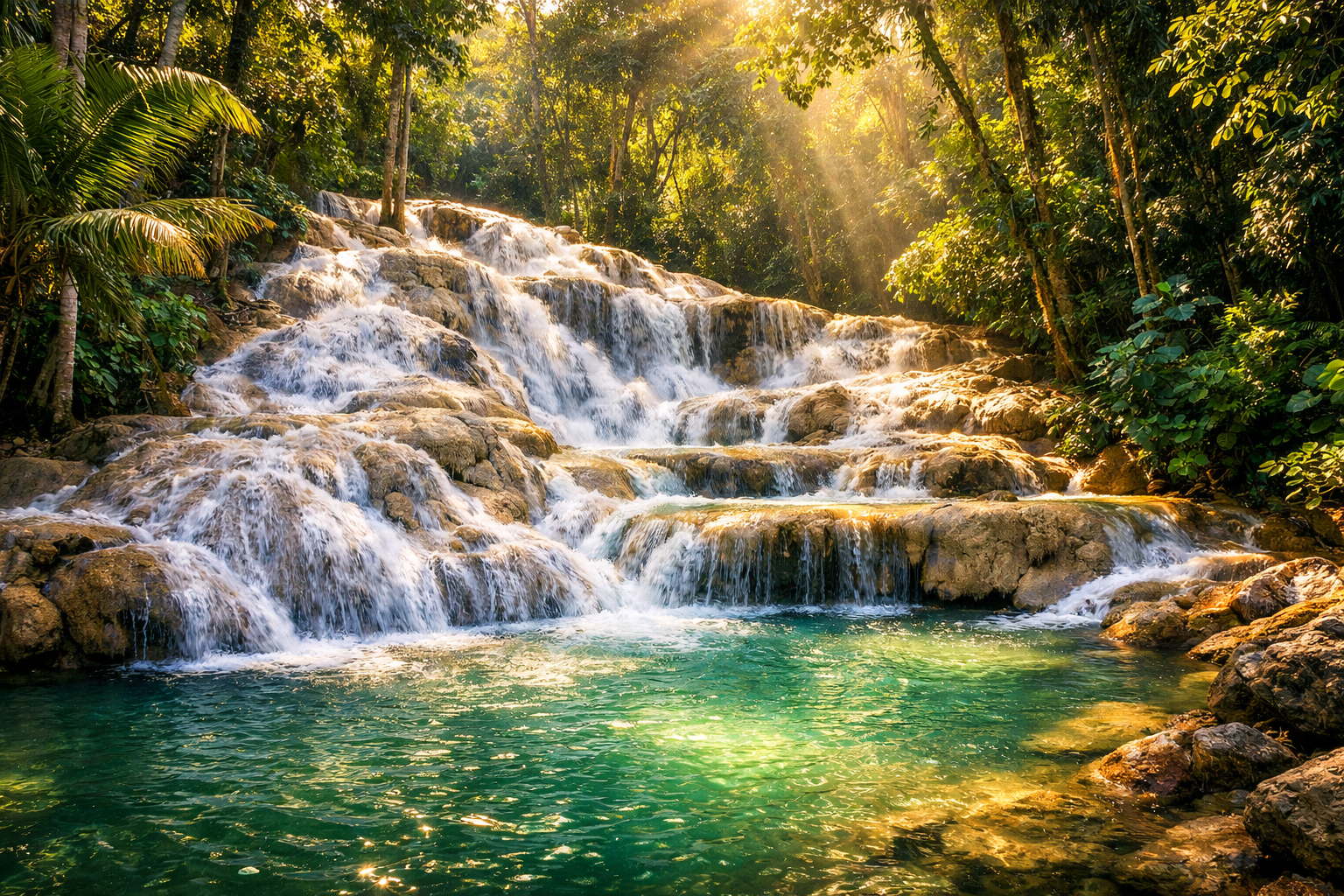
No trip to Jamaica is complete without visiting Dunn’s River Falls, one of the island’s national treasures. Near the resort town of Ocho Rios, this series of terraced cascades is described as a “living and growing phenomenon” because it continually regenerates through deposits of calcium carbonate and travertine. The falls plunge 600 feet down a series of rock terraces that visitors can climb with the help of local guides. Surrounding the falls is a lush park with natural pools and picnic areas.
Things to do: Hire a guide to ascend the falls, swim in the refreshing plunge pools, or lounge on the adjacent beach where the river meets the sea. Early morning visits help avoid the crowds.
Blue and John Crow Mountains National Park
This UNESCO World Heritage Site in eastern Jamaica is a paradise for hikers and nature lovers. The Blue Mountains, Jamaica’s longest mountain range, rise to 7,402 feet and offer views of both the north and south coasts from the summit. The protected park was recognized in 2015 for its biodiversity and historical significance. Besides breathtaking views, the Blue Mountains are famous for producing some of the world’s finest coffee.
Things to do: Hike the 14‑mile Blue Mountain Peak Trail for sunrise, trek through moss‑draped forests in John Crow Mountains, tour coffee estates to sample Blue Mountain coffee, or explore waterfalls like Reach Falls.
Negril’s Seven Mile Beach & Cliffs
On Jamaica’s west coast, Seven Mile Beach stretches along Negril’s tranquil waters. Powdery sand, calm turquoise seas and memorable sunsets make it ideal for families and couples. North of the beach, the Negril Cliffs offer a rugged contrast with dramatic drop‑offs, natural caves and coral reefs. The area is popular for snorkeling, cliff jumping and enjoying chilled drinks at sunset bars.
Things to do: Relax on the beach, snorkel among coral gardens, watch cliff divers at Rick’s Café, or take a sunset catamaran cruise along the coast.
Port Royal & Fort Charles
Once labeled “the wickedest city on Earth,” Port Royal was a pirate stronghold before a devastating earthquake in 1692 sank much of it, leaving an authentic sunken city. Today you can explore the remnants of this notorious town near Kingston. Highlights include Fort Charles, the largest fortress in Port Royal, built in the 17th century. It once housed 104 cannons and 500 men and now features a museum, powder magazine and a quarterdeck with sweeping views of Kingston Harbour.
Things to do: Tour Fort Charles to learn about Jamaica’s colonial past, visit the Giddy House (tilted by the 1907 earthquake), and explore underwater archaeology sites (accessible via guided tours).
Devon House
In Kingston, Devon House is a striking example of Caribbean‑Georgian architecture. Built in 1881 by George Stiebel—Jamaica’s first Black millionaire—it blends Caribbean and Georgian design elements and features antique furnishings. The mansion is surrounded by lush gardens and hosts artisan shops and the famous Devon House I‑Scream ice cream parlor.
Things to do: Take a guided tour of the mansion, sample flavors at the ice cream shop, browse local crafts, and dine in on‑site restaurants.
Doctor’s Cave Beach & Montego Bay
Located on the north coast, Doctor’s Cave Beach is famous for its powdery white sand and crystal‑clear water. Legend has it that early visitors believed the waters possessed healing properties. The beach forms part of the larger Montego Bay Marine Park and offers excellent snorkeling right from shore. Nearby, Montego Bay is Jamaica’s tourism capital, home to resorts, golf courses, hip bars on the “Hip Strip” and the historic Rose Hall Great House.
Things to do: Relax on Doctor’s Cave Beach, snorkel among colorful fish, tour Rose Hall (said to be haunted by the “White Witch”), explore Montego Bay’s Hip Strip, or visit the Luminous Lagoon for night‑time bioluminescence tours.
Port Antonio & Blue Lagoon
For a quieter, more laid‑back escape, head east to Port Antonio. Surrounded by jungle‑clad mountains and secluded beaches, this area offers bamboo rafting on the tranquil Martha Brae River, boat trips to Blue Lagoon, and access to gorgeous beaches like Frenchman’s Cove. The Blue Lagoon is a deep, spring‑fed pool famous for its shifting hues of blue and green. Nearby you’ll find waterfalls like Reach Falls and Nanny Falls.
Things to do: Go bamboo rafting on the river, swim in the Blue Lagoon, tour local craft markets, hike to Reach Falls, or surf the waves at Boston Bay.
Kingston & Bob Marley Museum
Jamaica’s capital isn’t just a gateway; it’s a cultural powerhouse. Kingston pulses with life, home to art galleries, street murals and culinary gems. One essential stop is the Bob Marley Museum, located in the reggae legend’s former home and studio. Marley’s pioneering contribution to music helped reggae receive UNESCO Intangible Cultural Heritage status in 2018. The museum displays memorabilia, instruments and photographs chronicling his career.
Things to do: Tour the Bob Marley Museum, explore the National Gallery of Jamaica, stroll the bustling Coronation Market, and attend live music events. Kingston also serves as a base for trips into the Blue Mountains and to Port Royal.
Travel Tips for Visiting Jamaica
To make your Jamaican vacation memorable and stress‑free, keep the following tips in mind:
Currency & Budgeting
The Jamaican Dollar (JMD) is the official currency, but U.S. dollars are widely accepted in tourist areas. Many vendors, taxi drivers and local shops will take U.S. cash; however, change may be given in Jamaican dollars and rates may vary. It’s wise to carry a small amount of local currency for small purchases or when venturing off the beaten path. Withdraw Jamaican dollars from ATMs or exchange at banks for the best rates. Credit cards are accepted at resorts and larger businesses, but cash is useful for street food and souvenirs.
Transportation & Getting Around
Jamaica is a large island with three major international airports—Norman Manley in Kingston, Sangster in Montego Bay, and Ian Fleming in Ocho Rios. Booking a resort near your main activities helps minimize travel time. When moving around, consider:
- Driving: Jamaicans drive on the left side of the road, which may be unfamiliar to visitors. If you rent a car, stay vigilant and always check left when crossing or turning.
- Taxis: Licensed taxis in Jamaica have red license plates. Stick to these “red‑plate cabs” as they are insured and regulated. Avoid unlicensed vehicles (often with white plates).
- Domestic flights & coaches: For longer distances, consider domestic flights or luxury coaches; the road network extends 17,000 km and includes highways linking major towns.
- Tours & excursions: Many resorts offer in‑house excursions. These can be a reliable way to explore attractions safely.
Safety & Cultural Etiquette
Jamaica is generally safe in tourist areas, but like any destination, it requires awareness. Follow these safety tips:
- Stay informed: Review U.S. State Department and CDC travel advisories. Some neighborhoods in Kingston and Montego Bay have higher crime rates—avoid them unless traveling with a local guide.
- Use guides & travel in groups: Booking a certified tour guide ensures you see the highlights without wandering into unsafe areas.
- Limit night travel & cash: Avoid wandering too far after dark and only carry the cash you need. Use hotel safes for valuables.
- Enroll in STEP: U.S. citizens should sign up for the Smart Traveler Enrollment Program to receive safety updates and facilitate communication during emergencies.
- Dress appropriately: Avoid wearing camouflage clothing—only the Jamaican army may wear this print. Respect local culture by covering up when entering churches or rural communities.
Packing Essentials & Preparation
Jamaica’s climate is tropical, so pack light cotton or linen clothing and plenty of sunscreen. A hat, sunglasses and reusable water bottle are essential; staying hydrated is important in the heat. Bring swimwear, water shoes for climbing waterfalls, insect repellent, and a waterproof phone case for rainy excursions. Pack a light rain jacket for afternoon showers and keep your passport, travel documents and a pen handy for completing immigration forms.
Language & Communication
English is Jamaica’s official language, but locals often speak Jamaican Patois—an English‑based Creole infused with West African vocabulary. Embrace friendly greetings like “Wah gwaan?” (What’s going on?). Most Jamaicans working in tourism speak standard English, so communication is rarely an issue.
Cultural Experiences & Cuisine
To connect with Jamaica’s culture, try authentic jerk chicken from roadside stands, sample Blue Mountain coffee, and sip rum cocktails while listening to live reggae in Kingston or Montego Bay. Visit local craft markets for handmade art and chat with artisans about their work. Respect that reggae music is not just entertainment; it’s a cultural expression recognized by UNESCO.
Interesting Facts About Jamaica
- Birthplace of Reggae: Jamaica is the birthplace of reggae, a genre recognized by UNESCO as an Intangible Cultural Heritage of Humanity in 2018.
- World‑Class Coffee: The Blue Mountains produce some of the world’s most prized coffee beans. Try a cup at a plantation or local café.
- Highest Mountain Range: The Blue Mountains reach 7,402 feet, and from the summit you can see both the north and south coasts on a clear day.
- Only Sunken City in the Western Hemisphere: Port Royal is considered the only authentic sunken city in the Western Hemisphere after much of it sank during the 1692 earthquake.
- Historic Mansion: Devon House in Kingston was built by Jamaica’s first Black millionaire and showcases a blend of Caribbean and Georgian architecture.
- Unique Driving Rules: Jamaicans drive on the left, and licensed taxis have red license plates.
- Protected Nature: Blue and John Crow Mountains National Park is a UNESCO World Heritage site due to its biodiversity and cultural history.
Conclusion
Jamaica captures hearts with its mix of natural beauty, rich history and infectious energy. From climbing the terraces of Dunn’s River Falls to watching the sunrise from the Blue Mountains, exploring pirate lore at Port Royal, or grooving to reggae rhythms in Kingston, the island promises endless adventure. Knowing when to visit, where to go and how to prepare helps you enjoy the best of Jamaica while staying safe and respectful.
As you plan your journey, remember that Jamaica is more than a beach destination; it’s a living cultural experience. Take time to savor the island’s flavors, learn its stories and connect with its people. With this guide in hand, you’re ready to embrace the irie spirit and create memories that will last a lifetime.
Click here to book your trip today
Get your swimwear and apparel for your trip from foreplay boutique today.