Introduction
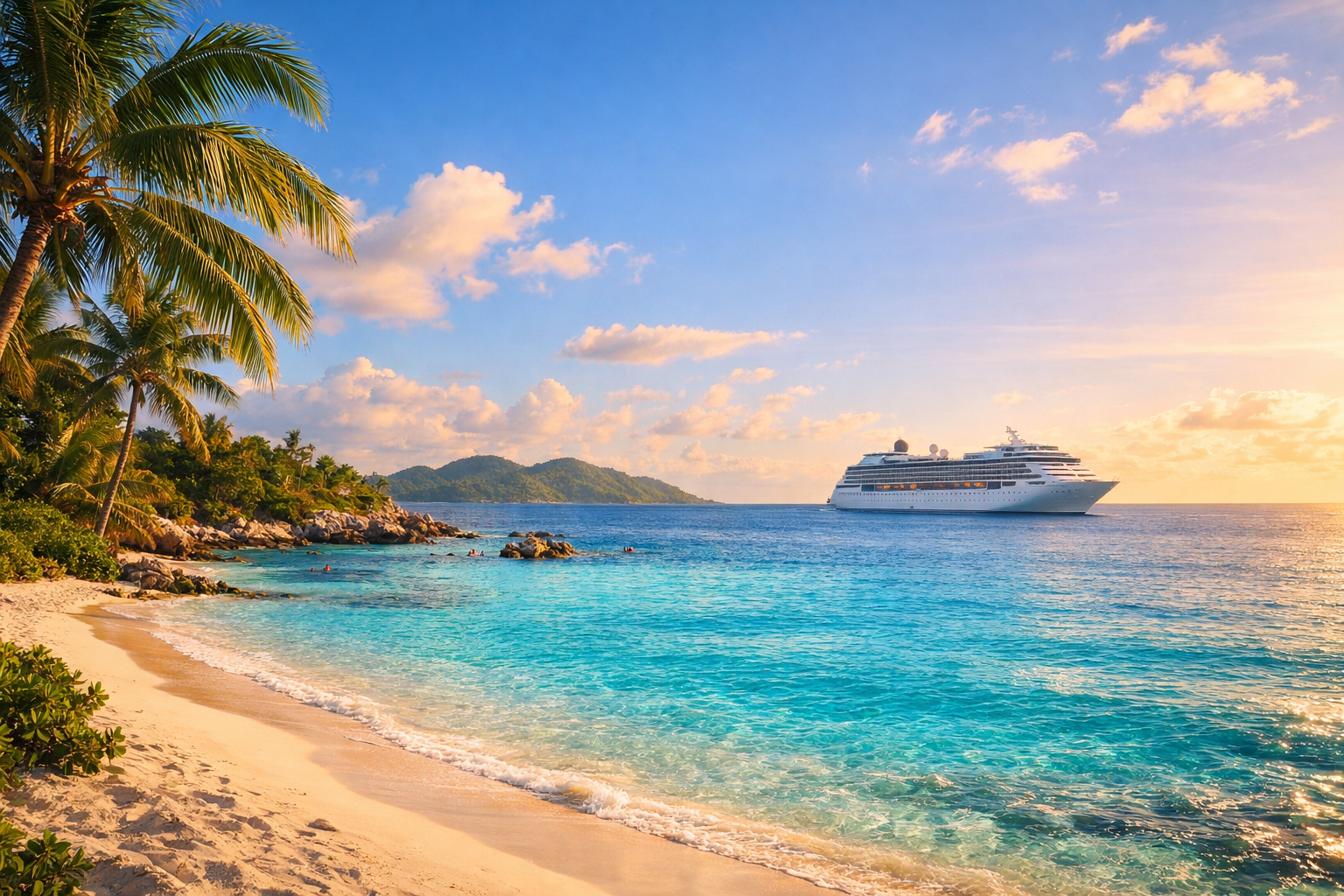
Dreaming of powdery sands, aquamarine seas and warm breezes? Summer is a fantastic time to explore the Caribbean’s diverse islands. Each island offers its own mix of sun‑soaked beaches, cultural experiences and adventures. In this guide you’ll discover five standout destinations—Aruba, Jamaica, the Dominican Republic, Saint Lucia and Barbados—along with suggestions on what to do, practical travel tips and fun facts. Whether you’re looking for family‑friendly fun, romantic escapes or adventures with friends, this round‑up will help you pick your perfect island getaway.
Click here to book today
Get your swimwear and apparel for your trip from foreplay boutique today.
Aruba
Why Visit
Aruba is a southern Caribbean island known for its year‑round sunny weather, white‑sand beaches and friendly vibe. It’s part of the Lesser Antilles and lies just 12° north of the equator, placing it outside the Caribbean’s hurricane belt—hurricanes almost never hit the island. This makes Aruba a worry‑free choice for summer travel. Warm trade winds and low rainfall keep temperatures pleasant around 80 °F (27–32 °C).
Things to Do
Beach‑Hopping & Water Adventures
- Baby Beach – A shallow lagoon on the island’s south end. It’s no more than five feet deep, creating a giant wading pool ideal for families and snorkelers.
- Boca Prins – A secluded beach in Arikok National Park with scenic dunes; swimming isn’t recommended due to strong waves.
- Eagle Beach – Frequently listed among the world’s top beaches and prized for its wide stretch of soft white sand.
- Hadicurari (Fisherman’s Huts) Beach – Hosts the annual High Winds Pro AM windsurfing championship each June.
- Palm Beach – Calm waters and powdery sand lined with resorts, restaurants and beach bars; popular for sunset strolls.
- Snorkelling & Scuba Diving – The island’s coral reefs and wrecks are easily accessible from shore or via boat tours; operators in Oranjestad and Savaneta offer beginner‑friendly experiences.
- Kiteboarding & Windsurfing – Constant trade winds make the northwest coast a hotspot for windsurfing; instructors offer lessons at Hadicurari and Boca Grandi.
Culture & Land Adventures
- Arikok National Park – Hike or take an off‑road tour through the park’s arid landscape of cacti, limestone cliffs and caves adorned with Arawak petroglyphs.
- San Nicolaas Street Art – Explore the colourful murals in Aruba’s second‑largest town, a hub for local art and culture.
- Alto Vista Chapel & California Lighthouse – Scenic stops offering panoramic island and sea views.
Travel Tips
- Best Time to Visit – Aruba is sunny all year; summer brings slightly warmer temperatures but remains dry thanks to those trade winds. Because the island is outside the hurricane belt, you can visit without worrying about storms.
- Currency – The Aruban florin (Afl) is the official currency, but US dollars are widely accepted; carry small bills for buses and markets.
- Language – Most locals speak English, Dutch, Papiamento and Spanish.
- Getting Around – Renting a car or using taxis is convenient; local buses connect major beaches and towns.
Interesting Facts
- Aruba’s flat, cactus‑strewn landscape contrasts with the lush rainforests of many Caribbean islands, earning it the nickname “One Happy Island.”
- A freshwater shortage led to the world’s first seawater desalination plant in Oranjestad in 1932; today the island relies on desalinated water for its tap supply.
Click here to book today
Jamaica
Why Visit
The birthplace of reggae offers more than music. Jamaica’s lush mountains, waterfalls and beaches attract sun‑seekers and adventure lovers. Coastal resort towns like Montego Bay, Ocho Rios and Negril provide lively nightlife and seaside relaxation. Inland, rainforests and rivers invite exploration.
Things to Do
Natural Wonders
- Dunn’s River Falls – Near Ocho Rios, this 600‑ft (180‑m) tiered waterfall invites visitors to climb through the cascading pools with a guide.
- Mystic Mountain – Also near Ocho Rios, this eco‑adventure park offers a bobsled‑style roller coaster, zip‑line course, waterslide and aerial tram for views over the rainforest canopy.
- Blue Mountains & John Crow Mountains – Hike or bike through mist‑shrouded peaks where Jamaica’s famous Blue Mountain coffee is grown.
- Negril’s Seven Mile Beach – Soft sand and calm waters ideal for swimming, parasailing and sunset catamaran cruises.
Culture & Adventure
- Bob Marley Museum (Kingston) – Tour the reggae legend’s former home and recording studio to learn about his life and music.
- Horseback Riding in the Sea – Many tour operators around Montego Bay and Ocho Rios offer guided rides that end with a swim on horseback.
- River Tubing & Rafting – Float down the White River or Martha Brae on a bamboo raft while a captain guides you through lush countryside.
- Nassau’s Nine Miles – Visit the village where Bob Marley was born and where he is buried; tour his mausoleum and gain insight into Jamaican rural life.
Travel Tips
- Best Time to Visit – Jamaica’s peak dry season is December to April. Summer (June–August) can be warm and humid with occasional afternoon showers; crowds thin after spring. Check the forecast for hurricanes, which are uncommon but possible.
- Currency – The Jamaican dollar (JMD) is official; US dollars are accepted in tourist areas but local currency offers better value.
- Language – English is the official language; you’ll also hear Jamaican Patois, a vibrant creole.
- Getting Around – For flexibility, hire a driver or rent a car (remember to drive on the left). Licensed route taxis run fixed routes and are an affordable way to get around—look for red license plates.
Interesting Facts
- Jamaica is home to nine indigenous species of snake, all non‑venomous.
- The island’s Blue Mountains produce one of the world’s most sought‑after coffees.
- Reggae, ska and dancehall music genres all originated here, shaping global music culture.
Click here to book today
Dominican Republic
Why Visit
Sharing the island of Hispaniola with Haiti, the Dominican Republic offers a blend of Caribbean beaches, colonial history and diverse landscapes. Visitors can explore lush rainforests, towering mountains, national parks and the Spanish‑built heart of Santo Domingo, the oldest European city in the Americas.
Things to Do
Outdoor Adventures
- Climb Pico Duarte – Hike to the 3,098‑m summit of the Caribbean’s highest mountain; multi‑day treks include camping and panoramic views across the Cordillera Central.
- Explore National Parks – The Dominican Republic protects numerous ecosystems. Visit Los Haitises National Park for mangrove forests and limestone caves, Jaragua National Park for biodiverse lagoons and flamingos, and Armando Bermúdez National Park for cloud forests near Pico Duarte.
- Beach Time – Punta Cana and Bávaro are famous for all‑inclusive resorts and white sands; Playa Rincon on the Samaná Peninsula offers a quieter, less developed escape.
Culture & History
- Zona Colonial – Stroll through the UNESCO‑listed colonial zone of Santo Domingo to see the 16th‑century Catedral Primada, Alcázar de Colón and cobblestoned plazas.
- Merengue & Bachata – Take a dance lesson to learn the country’s signature rhythms; many resorts and clubs offer nightly classes.
- Chocolate & Rum Tours – Visit cacao plantations or rum distilleries to taste two of the Dominican Republic’s favorite exports.
Travel Tips
- Best Time to Visit – The driest months on the north coast are November to April; summer brings more humidity but also lively festivals and lower hotel rates. Atlantic hurricane season runs June–November—monitor forecasts.
- Currency – Dominican Peso (DOP). Dollars are accepted in resort areas; exchange money for better rates when traveling inland.
- Language – Spanish is official; some English is spoken in tourism centers.
- Getting Around – Use long‑distance buses (Caribe Tours, Metro), rent a car or hire a driver. Domestic flights link Santo Domingo with Puerto Plata, Samaná and Punta Cana.
Interesting Facts
- The Dominican Republic is home to the first cathedral, castle and university in the New World.
- Amber discovered in the island’s mountains often contains ancient insects, inspiring scenes in the film Jurassic Park.
- Baseball is the national passion; many Major League Baseball stars hail from here.
Click here to book today
Saint Lucia
Why Visit
Saint Lucia pairs tropical beauty with dramatic volcanic scenery. The island is famed for the twin Pitons, conical peaks rising from the sea near Soufrière, and for its drive‑in volcano and sulphur springs. Lush rainforests and waterfalls offer endless exploration.
Things to Do
Nature & Adventure
- Sulphur Springs – Located south of Soufrière, this geothermal area has a hot spring pool where you can soak in warm mineral waters.
- Rainforest Hikes – Official hiking routes lead through dense vegetation to waterfalls and panoramic viewpoints. The trail up Gros Piton begins around 600 ft above sea level and requires about three hours of moderate to strenuous climbing.
- Snorkelling & Diving – Coral reefs around Anse Chastanet and between the Pitons teem with tropical fish. Pigeon Island National Park offers shallow reefs for beginners.
- Zip‑Lining – Several courses across the island let you glide above the canopy. Northern courses have older rainforests with longer runs, while the Morne Coubaril estate near Soufrière provides panoramic Piton views.
Culture & Relaxation
- Castries Market – Shop for spices, fresh fruit and handmade crafts in the capital’s bustling market.
- Chocolate Tours – Visit cacao plantations to learn how cocoa pods are transformed into artisanal chocolate and enjoy tastings.
- Beaches – Reduit Beach near Rodney Bay offers soft sand and watersports; Anse Mamin near Soufrière is quieter with jungle surroundings.
Travel Tips
- Best Time to Visit – The dry season runs December–May; summer brings lush scenery but more rain. Shoulder months (May and June) offer a nice balance of warm weather and fewer crowds.
- Currency – Eastern Caribbean Dollar (EC$). US dollars are widely accepted; bring EC$ for local buses and markets.
- Language – English is official; locals also speak St. Lucian Creole.
- Getting Around – Taxis, rental cars (driving on the left) or water taxis between coastal towns. Minibuses provide affordable transport along main routes.
Interesting Facts
- Saint Lucia has switched hands between Britain and France 14 times, earning it the nickname “Helen of the West Indies.”
- The Soufrière volcano is considered the world’s only “drive‑in volcano”—visitors can drive up to the crater’s edge.
- The island hosts an annual Jazz & Arts Festival each spring, attracting international performers.
Click here to book today
Barbados
Why Visit
Barbados combines British heritage with Caribbean charm. The island features calm beaches on its west coast and surf‑friendly waves on the east. Visitors can explore historic Bridgetown, lush gardens and rum distilleries, making it a versatile summer destination.
Things to Do
Water & Outdoor Activities
- Scuba Diving & Snorkelling – Barbados offers numerous reefs and wrecks accessible by boat or from shore. Dive operators in Bridgetown lead two‑tank dives to fish‑filled reefs; conditions are generally calm in the mornings.
- Surfing – The Soup Bowl on the east coast draws surfers with powerful Atlantic swells. When the surf is up, breaks along the west coast also come alive.
- Stand‑Up Paddleboarding & Turtle Tours – Paddle along the south coast and snorkel with hawksbill turtles on the tranquil west coast.
- Submarine & Boat Tours – From Bridgetown, board the Atlantis Submarine for an underwater tour of reefs and shipwrecks or take a catamaran cruise with lunch and snorkelling stops.
Culture & Heritage
- Kensington Oval Cricket Ground – Watch international or local cricket matches at Barbados’s iconic stadium.
- Rum Distillery Tours – Visit Mount Gay Visitor Centre in Bridgetown to learn about rum’s history and sample varieties; head south to Foursquare Rum Distillery to see modern distillation alongside 19th‑century architecture.
- Historic Bridgetown & Garrison – This UNESCO World Heritage Site features Georgian architecture, the Parliament Buildings and the Barbados Museum. Take a walking tour to discover the island’s colonial past and vibrant street life.
Travel Tips
- Best Time to Visit – The dry season (December–April) is peak tourist time; summer (June–September) brings warmer temperatures and occasional showers but also fewer crowds. Barbados lies at the eastern edge of the hurricane belt, so storms are less frequent than in the western Caribbean.
- Currency – Barbadian Dollar (BBD); US dollars are accepted at a fixed rate.
- Language – English is the official language; locals also speak Bajan dialect.
- Getting Around – Public buses and vans (ZR vans) traverse the island for a few dollars. Renting a car is easy (driving on the left). Taxis are plentiful but unmetered—agree on a fare before you depart.
Interesting Facts
- Rihanna, the international pop star, was born in Saint Michael, Barbados, and the island celebrates “Rihanna Day” annually.
- The island’s Harrison’s Cave features crystallised limestone caverns with underground streams and waterfalls.
- Barbados is home to the oldest operational rum distillery in the world—Mount Gay, which began producing rum in 1703.
Click here to book today
Conclusion
The Caribbean’s summer season invites travellers to explore sun‑drenched islands and vibrant cultures. Aruba promises near‑guaranteed sunshine and shallow, family‑friendly beaches. Jamaica thrills with waterfalls, rainforests and reggae rhythms. The Dominican Republic blends colonial heritage with towering peaks and protected parks. Saint Lucia captivates with volcanoes, rainforests and the iconic Pitons. Barbados combines world‑class diving, surfing and rich history. Each island offers unique adventures, culture and hospitality. Use this guide to plan your ideal summer getaway and discover why the Caribbean continues to capture travellers’ hearts.
Click here to book today
Get your swimwear and apparel for your trip from foreplay boutique today.