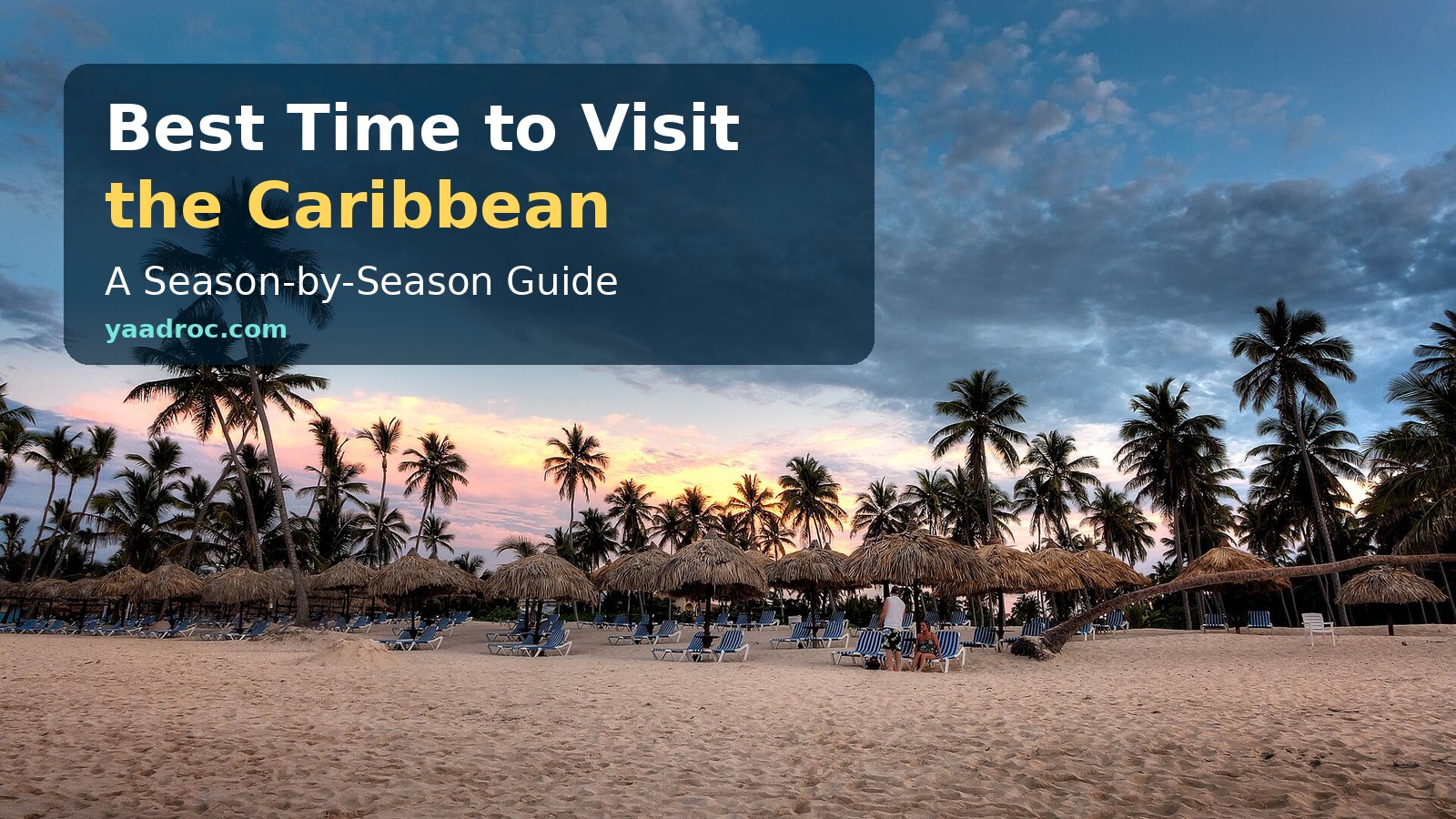
Ask ten Caribbean travelers when the best time to visit is, and you might get ten different answers. The truth is that the islands are warm and welcoming all year long, but each season has its own personality. Some months bring dry, breezy days and busy beaches, while others offer quieter resorts, greener hillsides and better deals. Here is a simple, season-by-season guide to help you pick the timing that fits your style, your budget and your plans.
The Short Answer: It Depends on What You Want
The Caribbean does not really have a cold season. Daytime temperatures in most islands stay warm throughout the year, and the sea stays inviting for swimming in every month. What changes is the rainfall, the chance of tropical storms, the size of the crowds and how much you will pay for flights and rooms. So instead of asking “when is the best time?”, ask yourself what matters most: guaranteed sunshine, lower prices, festivals, or a quiet beach all to yourself.
Peak Season: Mid-December to Mid-April
This is the classic Caribbean high season, and for good reason. For much of the region it lines up with the drier months, when humidity is lower, rain is less frequent and steady trade winds keep things comfortable. It is also when people in North America and Europe are most eager to escape winter.
The trade-off is demand. Christmas, New Year’s and spring break are usually the busiest and most expensive weeks of the year, and popular hotels and villas can book up early. If you want to travel in this window, plan and book well ahead, and be flexible with your dates if you can. Traveling in early December or in the quieter stretch of January after the holidays can sometimes ease the pressure on your budget.
Peak season is also packed with culture. In the Bahamas, Junkanoo parades fill the streets on Boxing Day and New Year’s Day, and Trinidad and Tobago’s famous Carnival takes place on the Monday and Tuesday before Ash Wednesday, usually in February or early March. For more festival dates, see our Caribbean Carnival Calendar.
Shoulder Season: Late April to June
Many seasoned Caribbean travelers swear by the shoulder season. The weather is often still lovely, the winter crowds have gone home and prices for flights and accommodation commonly start to drop. It is a sweet spot for couples, families planning around school breaks and anyone who wants a relaxed pace without giving up much sunshine.
As the months move toward summer, temperatures and humidity rise a little and the rainy season begins to arrive in many islands. Showers in the tropics are often short and heavy, though, followed by sunshine, so a passing cloud rarely ruins a whole beach day. In recent years, sargassum seaweed has also washed up on some beaches during the warmer months. It varies a lot by island, coastline and year, so it is worth checking recent local updates for the beach you have in mind.
Summer and Fall: June to November
The Atlantic hurricane season officially runs from June 1 to November 30, with most activity typically happening from August through October. That does not mean storms hit every island every year, and plenty of people enjoy wonderful summer and fall trips. It does mean you should plan a little more carefully.
The rewards can be real: this is generally the lowest-priced time of year, the sea is at its warmest, and you will often find quieter beaches and more attention from hotel and restaurant staff. Summer is also festival time. Barbados’ Crop Over season builds to its Grand Kadooment Day celebration in early August, and Jamaica’s Reggae Sumfest brings big crowds to Montego Bay each July. If you are heading to Jamaica, our Jamaica Travel Guide is a great place to start.
A few smart habits for hurricane season:
- Consider travel insurance and read what it covers for weather-related delays and cancellations.
- Choose flights and rooms with flexible change or cancellation policies when you can.
- Keep an eye on official forecasts from the U.S. National Hurricane Center in the days before you travel.
- Save your airline’s and hotel’s contact details so you can act quickly if plans change.
Islands That Are Good Picks Year-Round
If you are set on traveling during hurricane season, location matters. Aruba, Bonaire and Curaçao, often called the ABC islands, sit in the far south of the Caribbean, outside the main hurricane belt, and they have a dry, sunny climate for most of the year. Our Aruba Travel Guide covers the highlights.
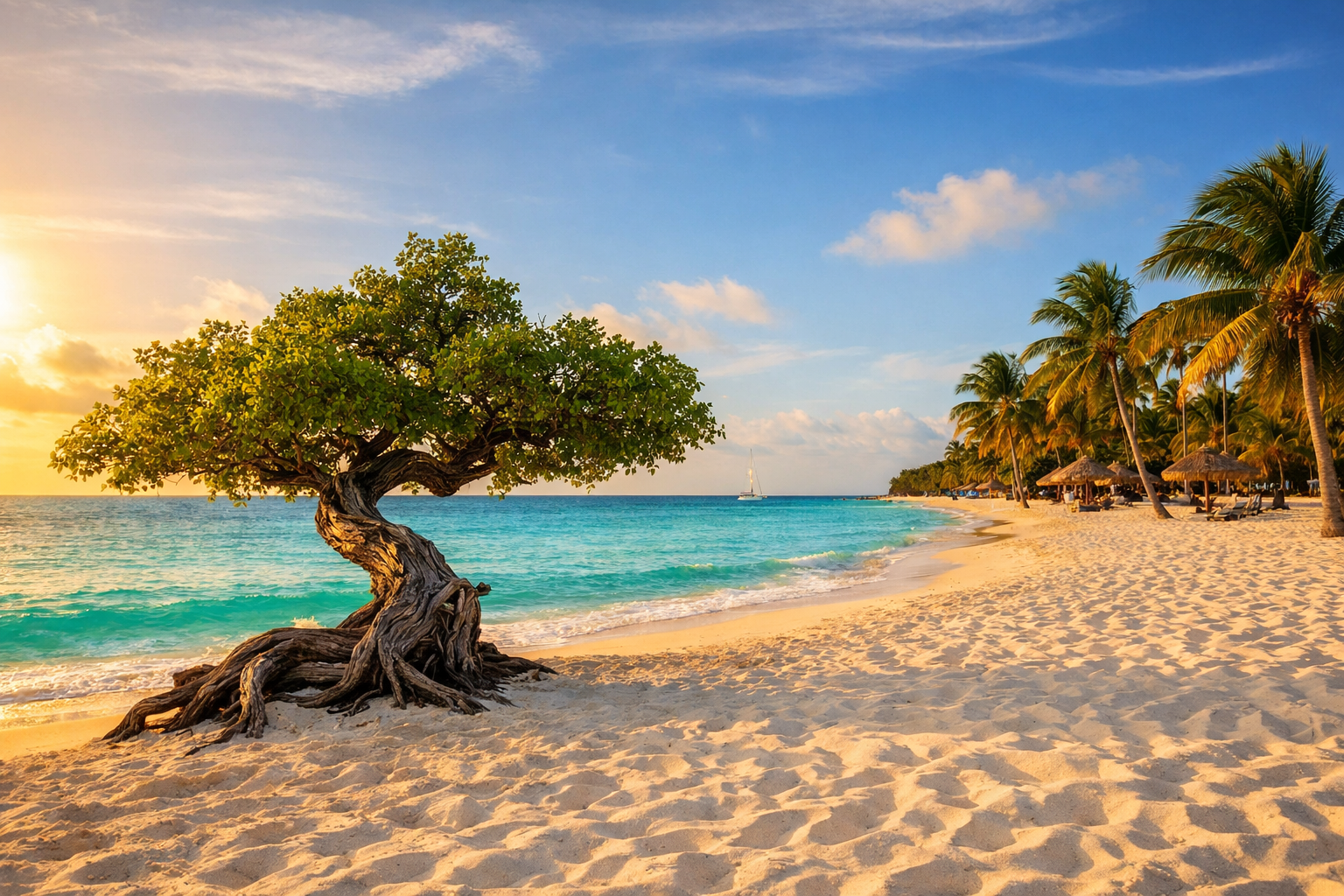
Trinidad and Tobago and Grenada are also located toward the southern edge of the region and tend to be affected by hurricanes less often than islands farther north, although no island is completely risk-free. Wherever you go, a little flexibility goes a long way.
How to Choose Your Perfect Timing
- Best for reliable sunshine: mid-December to April.
- Best balance of weather and value: late April to June, and late November to early December.
- Best for the lowest prices and warmest water: summer and early fall, with careful planning.
- Best for festivals: Carnival season in early spring and the summer festival season across many islands.
Whatever month you choose, pack light, breathable clothes, reef-safe sunscreen and a small rain jacket or umbrella. Island weather can change quickly, and a short tropical shower is part of the charm.
Let Us Help You Plan the Perfect Trip
Still not sure which month or which island is right for you? Our YaadRoc AI Trip Planner can help. Tell it where you want to go, when you are thinking of traveling, your budget and the kind of experience you love, and it will build a personalized day-by-day itinerary in minutes. Plan anywhere, and experience the Caribbean like a local.
Start planning your trip with YaadRoc today →
Featured photo: “Caribbean Sunset, Bavaro, Dominican Republic” by Joe deSousa, via Wikimedia Commons (CC0 public domain).
Leave a Reply