Your first trip to the Caribbean is a big deal. Turquoise water, warm breezes, music drifting out of a roadside cookshop and a pace of life that slowly melts your stress away. But with so many islands to choose from, each with its own culture, currency and quirks, a little preparation goes a long way. These first-time Caribbean travel tips will help you plan smarter, avoid common mistakes and experience the islands the way locals do.
Choose the Right Island for Your Travel Style
The Caribbean isn’t one destination. It’s dozens of islands and coastal countries, and they can feel very different from one another. Before you book, think about what you want most from your trip:
- Culture, food and music: Jamaica, Barbados and the Dominican Republic are packed with local flavour, history and nightlife.
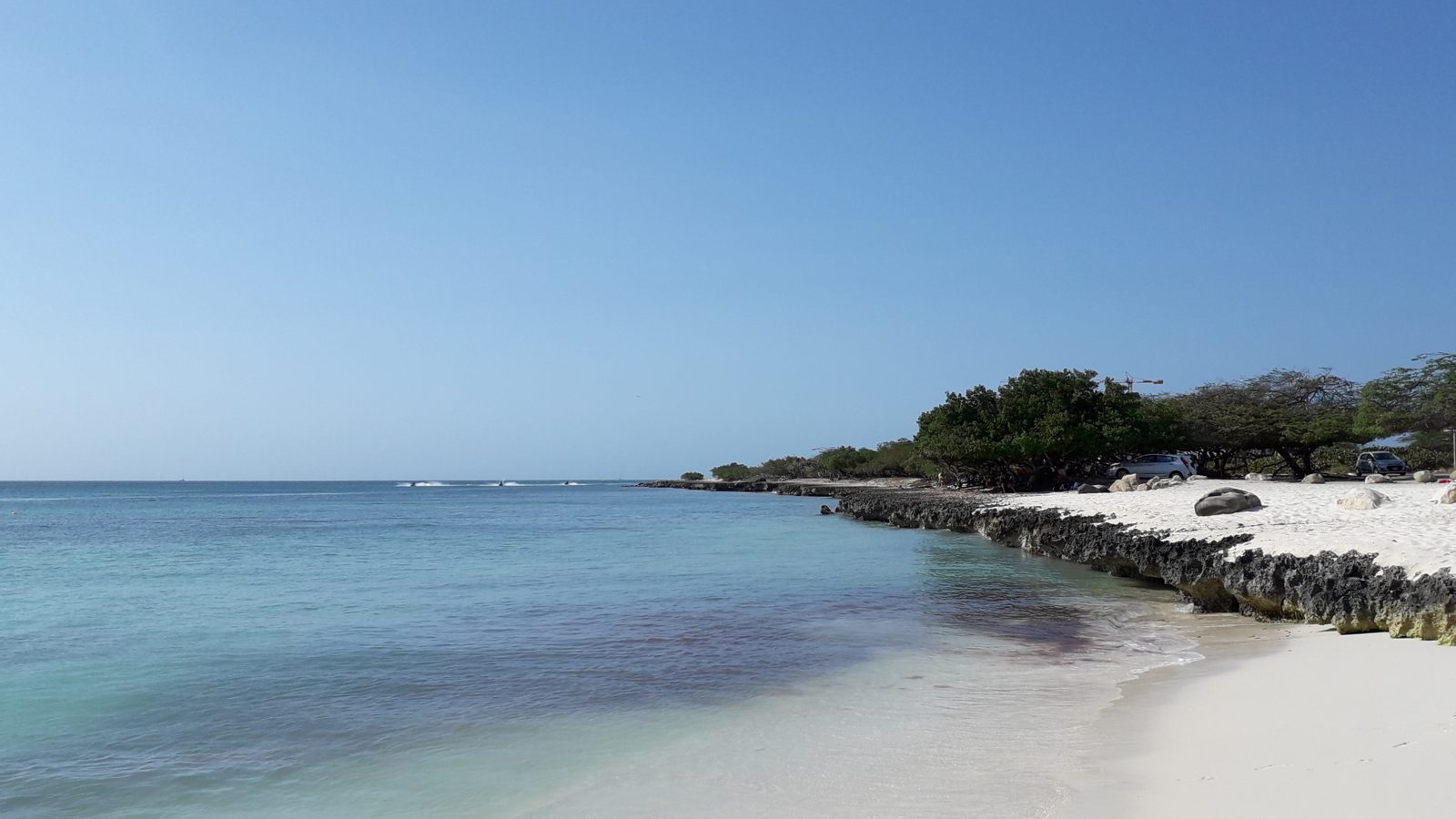
- Classic beach days: Aruba, Turks and Caicos and the Bahamas are known for long stretches of soft white sand and calm, clear water.
- Nature and adventure: St. Lucia, with its rainforest and the famous Pitons, is a great pick for hikers and outdoor lovers.
Aruba also sits outside the main hurricane belt, which makes it a popular choice for travellers who want to visit during the summer and autumn months.
Sort Out Your Documents Early
Most international Caribbean destinations require a valid passport, so check yours well before you travel and make sure it won’t expire soon. Some countries ask that it remain valid for a set period after your arrival date. US citizens travelling to Puerto Rico or the US Virgin Islands generally don’t need a passport, since those are US territories, but rules for every other island vary. Always check the official entry requirements for your destination, as some islands also ask visitors to complete an online arrival or immigration form before landing.
Pick Your Timing Wisely
The Caribbean is warm all year, but seasons still matter. The drier peak season generally runs from around mid-December to April, with sunny skies and the highest prices. The Atlantic hurricane season officially runs from June 1 to November 30, with the greatest risk usually from August to October. Travelling then can mean lower rates and fewer crowds, but buy travel insurance and keep your plans flexible. The shoulder months of late spring and early December often offer a sweet spot of good weather and better value.
Understand Money Before You Land
Many islands have their own currency, such as the Jamaican dollar, the Barbados dollar or the Eastern Caribbean dollar used in St. Lucia and several neighbouring islands. US dollars are widely accepted in tourist areas on many islands, but you may get change back in local currency and at a less favourable rate. A few tips:
- Let your bank know you’re travelling and check its foreign transaction fees.
- Carry some local cash for small vendors, markets, roadside food stalls and tips.
- Check your bill before tipping, as some restaurants and hotels already add a service charge.
Getting Around Like a Local
Transport varies a lot from island to island. On many former British islands, including Jamaica, Barbados, the Bahamas, St. Lucia and Turks and Caicos, cars drive on the left. In the Dominican Republic, Aruba and Puerto Rico, they drive on the right. Roads can be narrow, winding and busy, so take it slow if you rent a car.
Taxis often don’t use meters, so agree on the fare before you get in. On some islands, shared minibuses or route taxis are an affordable way to travel the way locals do, and they’re a fun way to see everyday island life. Just ask your host or hotel which options are safest and easiest where you’re staying.
Island-hopping can also take longer than you’d expect. Flights between islands sometimes connect through a regional hub, so give yourself plenty of time if you want to visit more than one island on a single trip.
Respect Local Customs
A little courtesy goes a long way in the Caribbean. Greeting people with a friendly “good morning” or “good afternoon” before asking a question is considered good manners on many islands. A few other things worth knowing:
- Cover up off the beach. Swimwear is for the beach and pool. Throw on a shirt or cover-up when you head into town, shops or restaurants.
- Leave the camouflage at home. Several islands, including Barbados, Jamaica and St. Lucia, restrict civilians from wearing camouflage clothing.
- Ask before taking photos of people. It’s polite, and most people will appreciate being asked.
- Embrace island time. Things may move a little slower than you’re used to. Relax and go with the flow.
Pack Smart and Stay Healthy
The Caribbean sun is strong, even on cloudy days, so bring a hat, sunglasses and reef-safe sunscreen, and drink plenty of water. Insect repellent is a must, especially in the evenings and in green, rainforest areas. Plug types and voltage vary between islands, so pack a universal adapter. Tap water safety also differs from place to place, so ask your accommodation whether it’s fine to drink or stick to bottled or filtered water. For a full checklist, see our Ultimate Caribbean Packing List.
Eat Where the Locals Eat
Some of the best meals in the Caribbean come from roadside stands, fish fries and small family-run spots rather than resort buffets. Try the local favourites wherever you go, from jerk chicken in Jamaica to flying fish and cou-cou in Barbados and conch in the Bahamas and Turks and Caicos. Ask locals where they like to eat. It’s often the best tip you’ll get all trip, and it’s a great way to support the community too.
Plan Your First Caribbean Trip
Your first Caribbean adventure should feel exciting, not stressful. Pick the island that matches your style, get your documents in order, travel with a little local knowledge and leave room for spontaneous moments. Ready to start planning? Tell our AI Trip Planner where you want to go, your dates, budget and travel style, and get a personalised itinerary built to help you experience the Caribbean like a local.
Featured photo: Eagle Beach, Aruba by DDJJ via Wikimedia Commons, licensed under CC BY-SA 4.0. Cropped and resized.
Leave a Reply