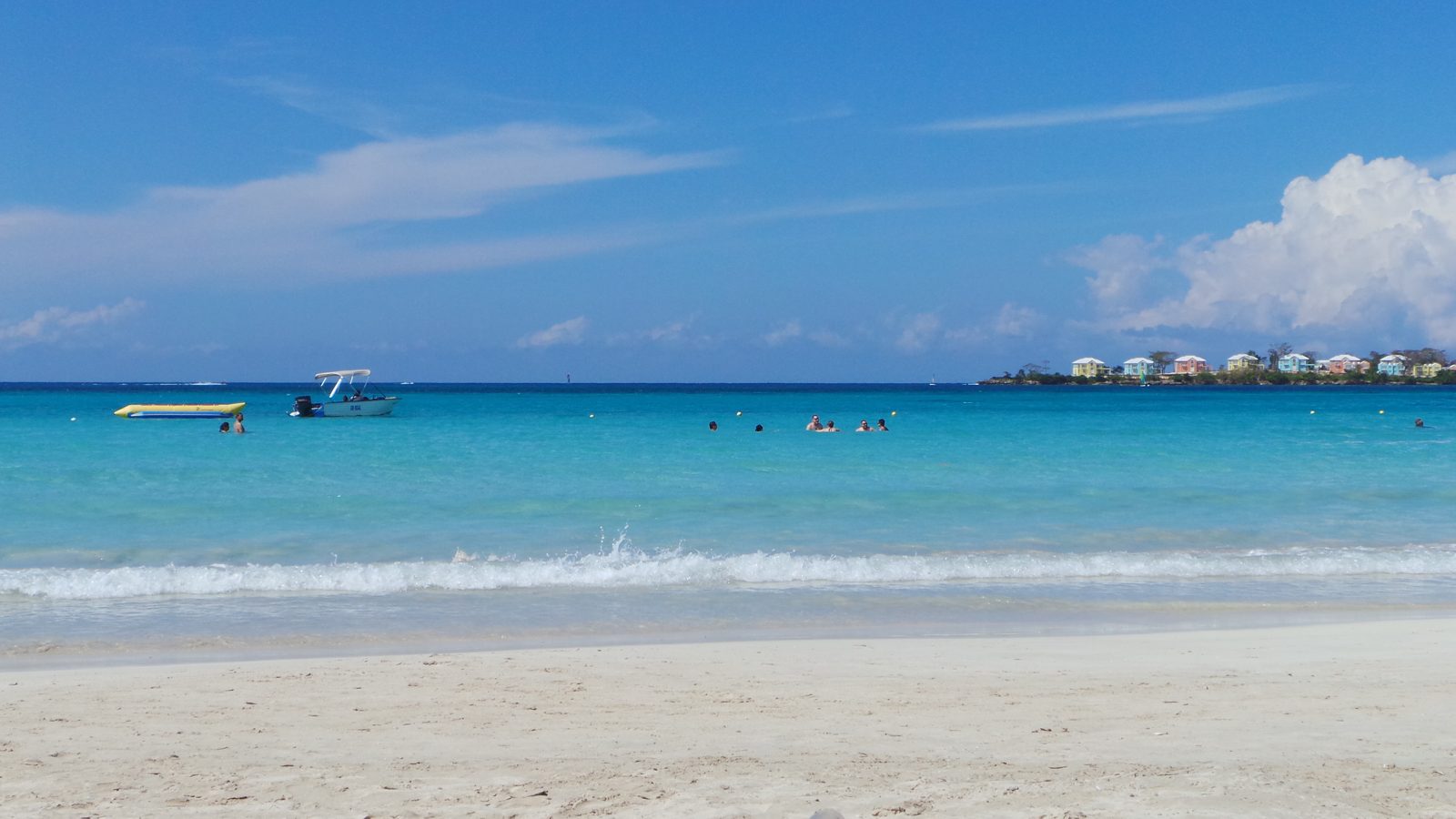
Jamaica has a way of getting under your skin. Maybe it’s the music drifting out of a roadside shop, the smell of jerk smoke on the breeze, or the way a stranger greets you with a warm “Wah gwaan?” like you’ve known each other for years. The island is famous for its resorts, but the real magic happens when you step outside the gate and see it the way locals do. Here’s a first-timer’s guide to experiencing Jamaica like a local, from where to base yourself to what to eat and how to get around.

Getting to Know the Island
Jamaica is the third-largest island in the Caribbean, and it packs a lot of variety into its size: long white-sand beaches, rivers and waterfalls, rainforest, and cool, misty mountains. English is the official language, but you’ll hear Jamaican Patois everywhere, full of rhythm and expressions you’ll soon want to borrow. The local currency is the Jamaican dollar, though US dollars are widely accepted in tourist areas. Carrying some local cash is handy for small shops, markets and roadside food stands, where you’ll often get a better deal paying in Jamaican dollars.
Most visitors fly into Sangster International Airport in Montego Bay, which is close to the north coast resort areas. Norman Manley International Airport in Kingston, the capital, is the better choice if you want to explore the city, the Blue Mountains or the east of the island.
Where to Base Yourself
Each corner of Jamaica has its own personality, so choosing a base shapes your whole trip.
- Montego Bay: Convenient, lively and close to the airport, with plenty of beaches, nightlife and day-trip options along the north coast.
- Negril: On the western tip of the island, known for the laid-back stretch of sand called Seven Mile Beach and the dramatic cliffs of the West End, where sunsets are a daily event.
- Ocho Rios: A north coast hub surrounded by rivers, gardens and waterfalls, including the famous Dunn’s River Falls.
- Port Antonio and Portland: Lush, green and much quieter, with the Blue Lagoon, Frenchman’s Cove and Reach Falls nearby. This is where you go to slow right down.
- Treasure Beach: A low-key collection of fishing villages on the south coast, loved for its community feel and unhurried pace.
- Kingston: The cultural heartbeat of the island, home to museums, galleries, a big music scene and the Bob Marley Museum.
What to Eat Like a Local
Jamaican food is one of the best reasons to visit, and some of the most memorable meals come from simple roadside spots rather than fancy dining rooms.
- Ackee and saltfish: The national dish, usually eaten for breakfast with fried dumplings, boiled green bananas or breadfruit.
- Jerk chicken and pork: Marinated in a fiery blend built on Scotch bonnet peppers and pimento (allspice), then cooked slowly over pimento wood. Boston Bay in Portland is often called the home of jerk.
- Patties: Flaky, golden pastries filled with spiced beef, chicken or vegetables. The perfect cheap, quick lunch.
- Curry goat, oxtail and rice and peas: Hearty Sunday-dinner favorites you’ll find across the island.
- Escovitch fish with festival or bammy: Fried fish topped with a tangy pickled pepper and onion dressing, served with sweet fried dumplings or cassava flatbread.
Wash it all down with fresh coconut water straight from the nut, a cold sorrel drink around the holidays, or a cup of Blue Mountain coffee, grown in the hills above Kingston.
Things to Do Beyond the Resort
Jamaica rewards travelers who get curious. Climb the cascading rocks of Dunn’s River Falls with a guide, float down the Martha Brae River on a bamboo raft, or visit YS Falls in St. Elizabeth for a cool swim surrounded by greenery. Near Falmouth, the Luminous Lagoon glows when the water is disturbed at night, thanks to tiny bioluminescent organisms.
Music lovers can visit Nine Mile in St. Ann, Bob Marley’s birthplace, or the Bob Marley Museum in Kingston. Nature lovers can head into the Blue Mountains, where hikers often start before dawn to reach Blue Mountain Peak, the island’s highest point, for sunrise.
Getting Around and Local Tips
Jamaicans drive on the left, and the roads can be winding and busy, so many visitors prefer to use licensed taxis, a trusted driver or tour transfers rather than renting a car. Ask your accommodation to recommend a reliable driver, and agree on the fare before you set off. Intercity coach services also link the main towns if you’re comfortable traveling independently.
A few habits will help you fit right in:
- Greet people first. A friendly “good morning” or “good afternoon” before asking a question goes a long way.
- Slow down. “Soon come” is a real way of life. Leave room in your schedule and enjoy the pace.
- Support local. Buy crafts from local artisans, eat at small family-run cookshops and book guides who live in the area.
- Stay sun smart. The tropical sun is strong, so bring reef-safe sunscreen, a hat and plenty of water.
- Use common sense. As in any destination, keep valuables out of sight and ask locals or your host which areas to enjoy after dark.
Plan Your Jamaica Trip the Easy Way
In Jamaica, “yaad” means home, and with the right plan the island can start to feel like yours too. Whether you dream of Negril sunsets, Portland waterfalls or a plate of jerk chicken in the hills, the trick is building a trip that fits your style, your pace and your budget.
Let us help you put it all together. Try the YaadRoc AI Trip Planner to get a personalized Jamaica itinerary in minutes, with ideas for where to stay, what to eat and what to see, so you can experience the island like a local. Likkle more!
Leave a Reply