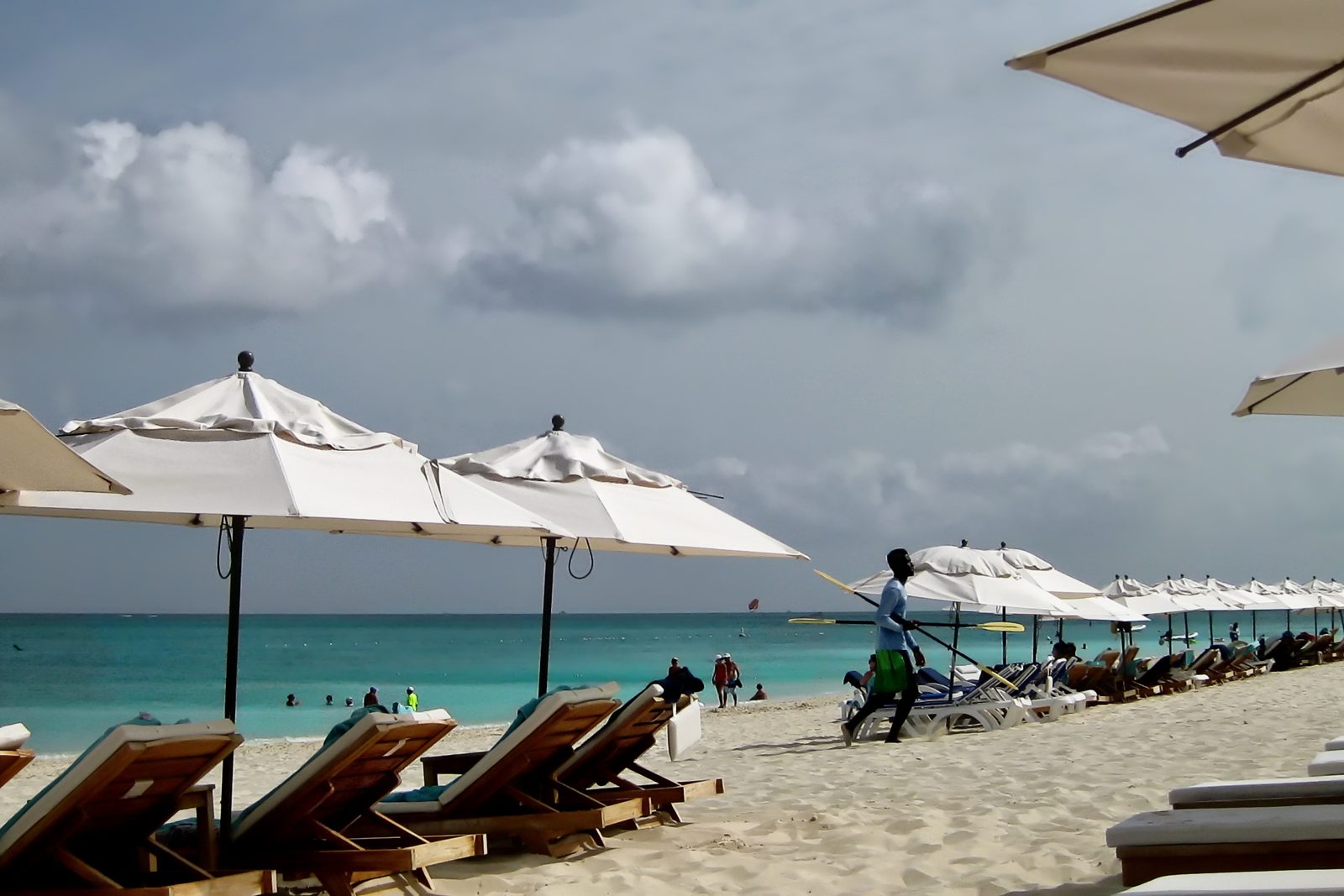
Powder-soft sand, water in more shades of blue than you knew existed, and a laid-back island pace that makes it easy to forget your phone. Turks and Caicos has earned its reputation as one of the Caribbean’s most beautiful beach destinations, but there’s a lot more to it than one famous stretch of shoreline. If you’re planning your first visit, here’s how to experience the islands like a local, from where to stay to what to eat and how to get beyond the resort strip.
Getting to Know Turks and Caicos
Turks and Caicos is a British Overseas Territory made up of around 40 islands and cays, only a handful of which are inhabited. It sits southeast of the Bahamas, and technically it’s in the Atlantic Ocean rather than the Caribbean Sea, though it shares the warm, easygoing spirit of its Caribbean neighbours. English is the official language, the US dollar is the official currency, and cars drive on the left.
Most visitors fly into Providenciales International Airport on Providenciales, known to everyone simply as “Provo.” It’s the islands’ tourism hub and home to most hotels, restaurants and shops. The capital, Cockburn Town, is on the much smaller and quieter island of Grand Turk.
Where to Stay
Grace Bay, Providenciales is where most first-timers base themselves, and for good reason. The long, calm beach is the postcard image of the islands, and the area has plenty of places to eat, shop and book tours within easy reach. It’s ideal if you want convenience and classic beach days.
Elsewhere on Provo, areas like Long Bay, Chalk Sound and Turtle Cove offer a quieter feel, often with villas and vacation rentals. Long Bay is known for its steady breezes, which make it a favourite with kiteboarders.
The outer islands such as North Caicos, Middle Caicos and Grand Turk are much more low-key. They’re perfect for travellers who want to slow right down, and many visitors to Provo explore them on a day trip instead.
Beaches and Things to Do
- Snorkel right off the beach. The islands are surrounded by an extensive barrier reef system, and some good snorkelling spots on Provo, such as Bight Reef (often called Coral Gardens) and Smith’s Reef, are reachable straight from the sand.
- See Chalk Sound. This national park on Provo is a shallow lagoon dotted with tiny rocky islets, and its almost unreal turquoise colour is one of the most striking sights on the islands.
- Take a boat trip. Boat excursions are one of the best ways to see the cays. Popular stops include Iguana Island (Little Water Cay), home to the protected Turks and Caicos rock iguana, and secluded sandbars you can only reach by water.
- Explore North and Middle Caicos. These greener, sleepier islands are linked by a causeway. On Middle Caicos you’ll find the dramatic limestone cliffs and beach at Mudjin Harbour and the Conch Bar Caves, while North Caicos is known for its flamingo pond and quiet villages.
- Go whale watching. In winter, humpback whales pass through the waters around Grand Turk and Salt Cay on their seasonal migration, usually from around January to April.
- Dive the wall. Off Grand Turk, the sea floor drops away sharply just offshore, making the island a well-known spot for wall diving.
What to Eat Like a Local
Conch is the star of Turks and Caicos cooking. You’ll find it served as crispy cracked conch, conch fritters, conch salad with lime and peppers, and hearty conch chowder. Fresh fish, spiny lobster in season, and peas and rice are other staples, often with a dash of local hot sauce.
For the most local experience, look out for the weekly fish fry in The Bight area of Provo, where food vendors, live music and families come together for a relaxed evening outdoors. It’s a great chance to try a range of local dishes in one place and hear rake and scrape, the islands’ traditional music, which often features a carpenter’s saw played with a scraper.
Getting Around
Provo is spread out, and public transport is limited, so many visitors either rent a car or rely on taxis. If you rent, remember to keep left, and take it easy on roundabouts until you get the hang of them. Taxis generally don’t use meters, so it’s wise to agree on the fare before you set off.
To reach the other islands, you can take a short domestic flight or a ferry. Ferries run between Provo and North Caicos, and from there you can drive across the causeway to Middle Caicos.
When to Go
The islands are warm all year. The drier, popular season generally runs from around December to April, when the weather is sunny and comfortable, and prices are typically at their highest. The Atlantic hurricane season officially runs from June 1 to November 30, with the greatest risk usually in late summer and early autumn, so travel insurance is a smart idea if you visit then. The shoulder months around late spring and early December can be a sweet spot for good weather and fewer crowds.
Tips for Your First Visit
- Protect the reef. Use reef-safe sunscreen, don’t stand on coral, and never take shells or marine life from the water.
- Budget smartly. Turks and Caicos is known as a pricier destination, since many goods are imported. Staying somewhere with a kitchen and stocking up at a grocery store can help.
- Slow down. Island time is real. Embrace it, greet people with a friendly “good morning,” and enjoy the unhurried pace.
Plan Your Turks and Caicos Trip
Whether you’re dreaming of Grace Bay sunsets, a boat day out to the cays or a quiet escape on Middle Caicos, Turks and Caicos rewards travellers who look a little beyond the beach chair. Ready to start planning? Tell our AI Trip Planner your dates, budget and travel style, and get a personalised itinerary built around how you want to experience the islands, like a local.
Featured photo: Grace Bay, Turks and Caicos by VV Nincic via Wikimedia Commons, licensed under CC BY 2.0.
Leave a Reply