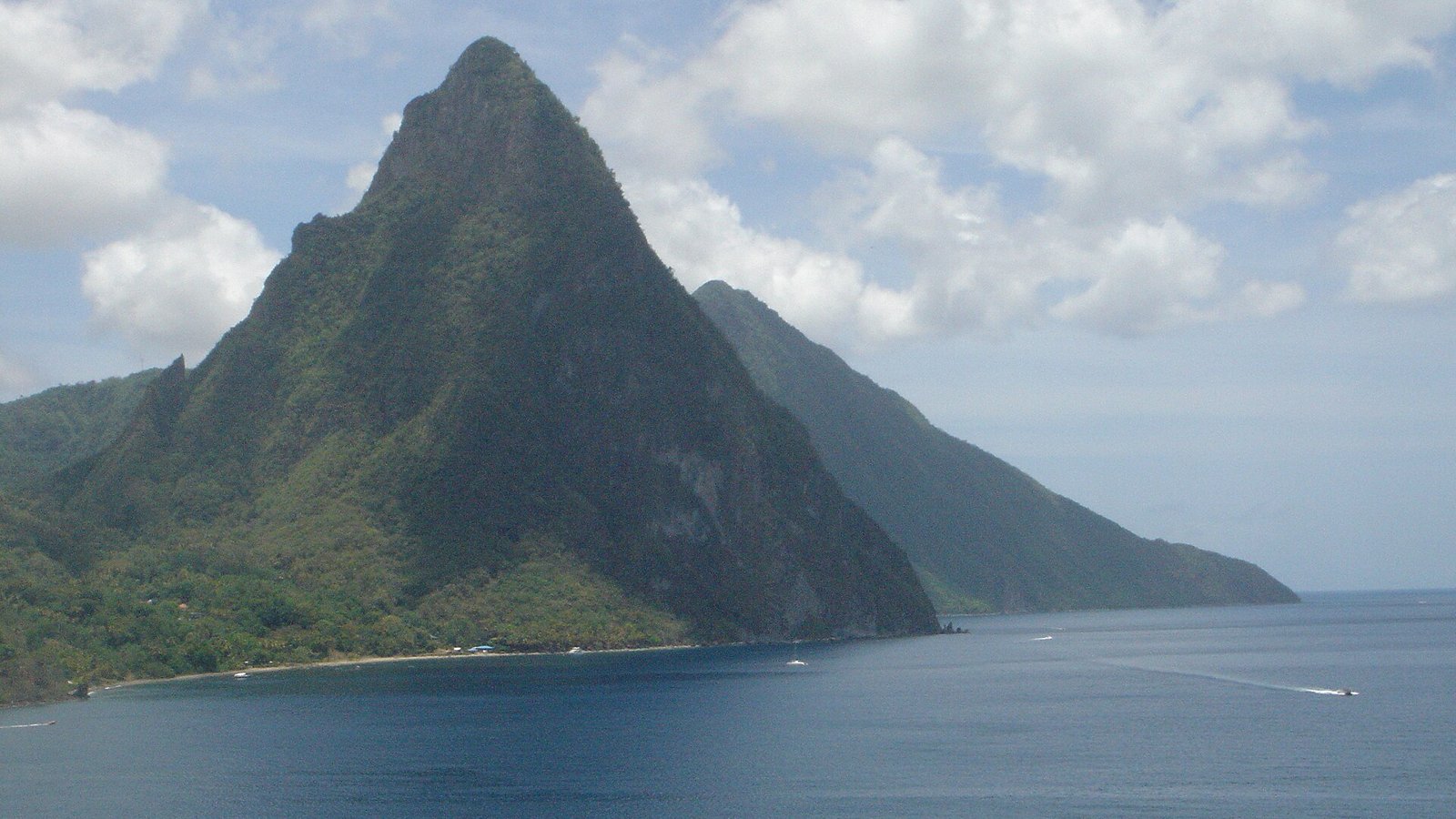
Two volcanic peaks rising straight out of the sea, rainforest trails, fishing villages and a Friday night street party that locals and visitors share. St. Lucia is one of those islands that feels made for slowing down and soaking it all in. If you’re planning your first trip, here’s how to experience it like a local, from where to base yourself to what to eat and how to get around.
Getting to Know St. Lucia
St. Lucia sits in the Eastern Caribbean, part of the Windward Islands between Martinique and St. Vincent. English is the official language, but you’ll hear Kwéyòl, the island’s French-based Creole, all around you, a reminder of a history that passed between British and French hands many times. The local currency is the Eastern Caribbean dollar, and US dollars are widely accepted in tourist areas. Cars drive on the left.
The island has two airports. Most international flights land at Hewanorra International Airport near Vieux Fort in the far south, while George F. L. Charles Airport near Castries mainly handles regional flights. The drive from the south to the north takes a while on winding roads, so it’s worth factoring in when you choose where to stay.
Where to Stay: North vs. South
The north (Rodney Bay and Gros Islet) is the island’s liveliest area, with a marina, a wide range of restaurants and Reduit Beach close by. It’s a good choice if you like having plenty of options within easy reach and want to be near the Friday night street party in Gros Islet.
Soufrière and the southwest is the dramatic side of the island, home to the Pitons, cocoa estates, waterfalls and the rainforest. Staying here puts you right next to the island’s best-known natural sights, and the views are hard to beat. It’s quieter, with a more village feel.
Marigot Bay, between the two, is a sheltered, palm-fringed bay popular with yachts and a peaceful base for couples.
Beyond resorts, look at small locally owned guesthouses, villas and apartments. They often put you closer to everyday island life and the people who know it best.
Things to Do Like a Local
- See the Pitons up close. Gros Piton and Petit Piton are part of the Pitons Management Area, a UNESCO World Heritage Site. Experienced hikers can climb Gros Piton with a local guide, while the shorter Tet Paul Nature Trail offers beautiful views of both peaks.
- Visit the Sulphur Springs. Near Soufrière, this volcanic area is often called a “drive-in volcano.” Visitors come for the steaming vents and the warm mud baths.
- Explore Pigeon Island National Landmark. Connected to the mainland by a causeway near Gros Islet, it mixes history, old fort ruins, walking trails and small beaches.
- Join the Gros Islet street party. On Friday nights the streets of this fishing village fill with music, grilled food and dancing. It’s one of the easiest ways to mingle with locals.
- Get into the rainforest. St. Lucia’s interior is covered in lush forest. Guided hikes and nature trails are a great way to spot birds, including the St. Lucia parrot, the island’s national bird.
- Learn about cocoa. The Soufrière area has a long cocoa-growing tradition, and some estates offer tours where you can see how chocolate is made from bean to bar.
- Snorkel the west coast. Calm waters on the Caribbean side, including around the Pitons, are popular for snorkeling and diving.
What to Eat
St. Lucian food is hearty, flavorful and built around local ingredients. Here are a few dishes to look for:
- Green fig and saltfish, the national dish, made with green bananas (called “figs” locally) and salted cod.
- Bakes and accra, fried dough and crispy saltfish fritters, a classic breakfast or snack.
- Bouyon, a filling one-pot soup of meat, ground provisions and dumplings.
- Cocoa tea, a spiced hot chocolate drink often made from local cocoa.
- Fresh fish and grilled chicken from street-side grills, especially at the Friday night street party.
For a taste of daily life, wander through Castries Market, where you’ll find fruit, spices, hot sauces and local crafts.
Getting Around
Local minibuses are the most affordable way to travel and connect Castries with towns around the island. They’re a fun, very local experience, though service can thin out in the evenings and on Sundays. Taxis are widely available; agree on the fare before you set off. If you rent a car, remember you’ll be driving on the left on roads that can be steep and winding. Water taxis are also a scenic option along parts of the west coast.
Best Time to Visit
The dry season, roughly December to April, is the most popular time to visit, with sunny days and lower humidity. The Atlantic hurricane season runs from June to November, when prices are often lower but the weather is less predictable. Many travelers like the shoulder months for a balance of good weather and fewer crowds. For more detail, read our season-by-season guide to the Caribbean.
Local Tips Before You Go
- Greet people with a friendly “good morning” or “good afternoon” before asking a question. It goes a long way.
- Pack good walking shoes for hikes and waterfalls, plus reef-safe sunscreen. Our Caribbean packing list has the rest.
- Carry some cash in small bills for markets, buses and street food.
- Travel on a budget? Check out our Caribbean budget travel tips.
Plan Your St. Lucia Trip
Between the Pitons, the rainforest, the food and the warmth of the people, St. Lucia rewards travelers who step beyond the resort and explore. Ready to start planning? Tell our AI Trip Planner your dates, budget and travel style, and get a personalized itinerary built around experiencing St. Lucia like a local. Plan anywhere, and experience the Caribbean the way it’s meant to be lived.
Featured photo: The Pitons at Soufrière, St. Lucia, via Wikimedia Commons (public domain).
Leave a Reply